Centella Asiatica
The ancient wound-healing herb with one of the most rigorously characterized mechanisms in K-Beauty science
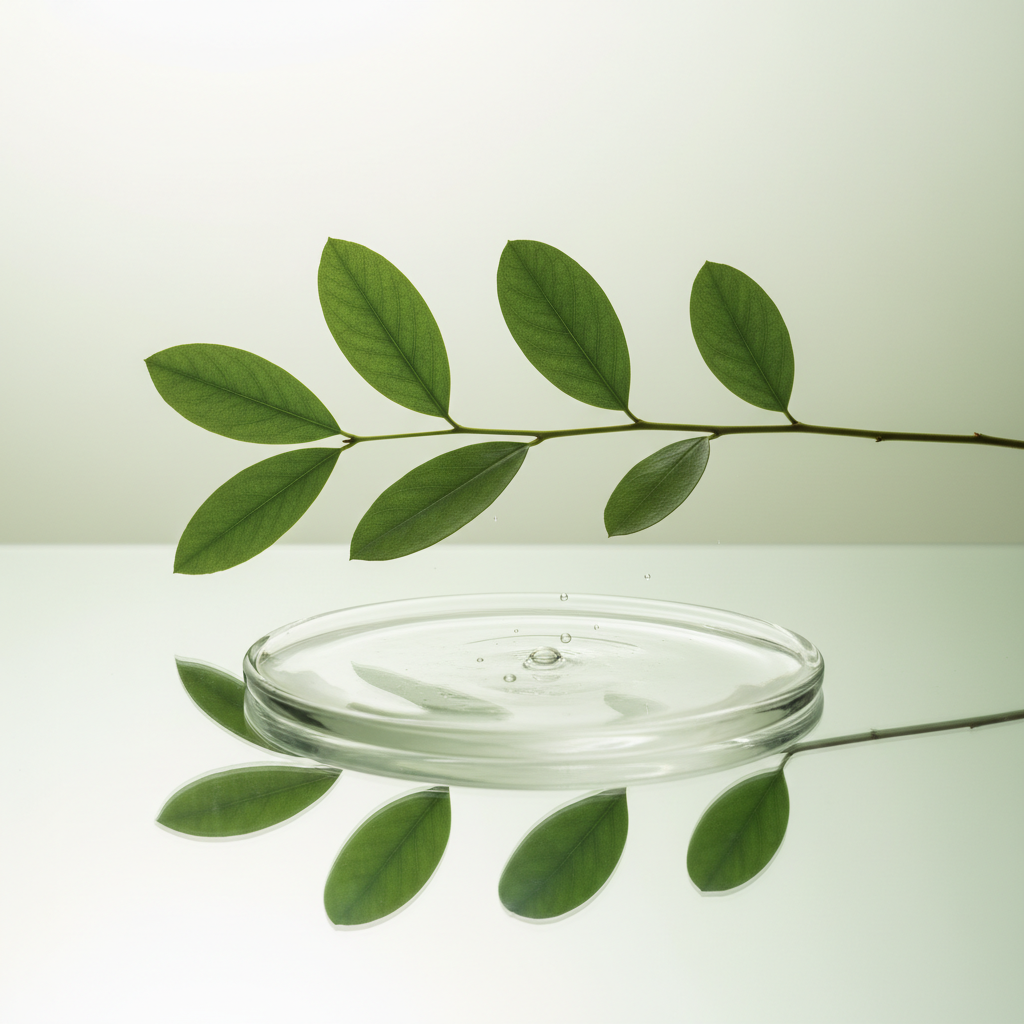
Centella asiatica — called 'cica' in K-Beauty — is a small herbaceous plant from tropical Asia used for millennia in traditional medicine for wound healing, ulcer treatment, and skin repair. Its active triterpene compounds — asiaticoside, madecassoside, asiatic acid, and madecassic acid — work through precisely characterized molecular mechanisms: stimulating collagen synthesis via TGF-β1, inhibiting the inflammatory NF-κB pathway, enhancing epidermal tight junction proteins, and upregulating endogenous antioxidant enzymes. It is one of the most scientifically validated botanical actives in modern dermatology.
How It Works
Centella's bioactive triterpenes operate through four well-characterized mechanisms simultaneously. Collagen synthesis: asiaticoside activates the TGF-β1 (transforming growth factor beta-1) signaling pathway in fibroblasts, directly upregulating type I and III collagen production. This is the same mechanistic pathway stimulated by retinoids and copper peptides — centella provides an additional route to the same endpoint. Anti-inflammation: madecassoside inhibits NF-κB nuclear translocation — the master switch for the inflammatory cascade — reducing production of pro-inflammatory cytokines including TNF-α, IL-1β, IL-6, and COX-2. This mechanism explains centella's documented efficacy in rosacea, atopic dermatitis, and post-procedure redness. Barrier reinforcement: centella extract upregulates expression of tight junction proteins (claudin-1, occludin) in keratinocytes, strengthening the physical intercellular seal in the epidermis and reducing transepidermal water loss. Antioxidant induction: madecassoside upregulates superoxide dismutase and catalase — endogenous antioxidant enzymes that scavenge free radicals generated by UV exposure and environmental oxidative stress.
What the Research Shows
The clinical evidence for centella asiatica is extensive and spans traditional wound care research to modern controlled dermatology trials. A landmark 2003 study in Phytotherapy Research confirmed significant improvements in wound healing parameters with madecassoside application. Studies in the Journal of Cosmetic Dermatology demonstrate improvements in hydration, elasticity, and barrier function with centella formulations. A well-designed 2020 randomized controlled trial confirmed that centella extract significantly reduced redness, TEWL, and self-reported skin sensitivity in rosacea subjects over 8 weeks versus vehicle. Post-procedure data — specifically after microneedling and fractional laser — supports faster re-epithelization and reduced post-inflammatory hyperpigmentation with centella application versus control. The molecule-level NF-κB evidence is among the most rigorous anti-inflammatory data available for a cosmetic botanical ingredient.
How To Use It
Centella is effective across formats — serums and essences deliver active compounds most efficiently; creams provide an additional occlusive layer for barrier recovery. Apply after toning and before heavier moisturizers. Use morning and evening — centella has no photosensitizing properties. For post-procedure recovery (after microneedling, chemical peel, or laser), apply twice daily from day 1 and continue for the full healing period, which typically runs 5–10 days. For rosacea or reactive skin, use as a daily serum to maintain reduced baseline inflammation and improved barrier integrity. For acne post-inflammatory hyperpigmentation, centella's dual anti-inflammatory and collagen-stimulating effect can accelerate fading over 8–12 weeks.
Layering Guide
Centella asiatica is one of the most universally compatible ingredients in any routine. It pairs synergistically with niacinamide — both provide complementary anti-inflammatory and barrier-strengthening benefits. It layers seamlessly with hyaluronic acid, snail mucin (complementary wound healing and collagen support), ceramides, and PDRN. Its anti-inflammatory mechanism makes it particularly valuable in the same routine as retinoids: applying centella before or after retinol measurably reduces retinol-associated irritation and barrier disruption. It is compatible with vitamin C, AHAs, and BHAs, serving a buffering role when combined with more aggressive actives. No known incompatibilities with standard skincare ingredients.
Cautions & Compatibility
Centella asiatica is exceptionally well-tolerated — true allergy is rare, and it is one of the safest botanical ingredients in dermatology. Those with documented sensitivity to Apiaceae/Umbelliferae family plants (carrot, celery, parsley family) should patch test before widespread use. In high-concentration ampoule form, a standard 48-hour patch test on the inner arm is advisable. There are no known interactions with common medications, prescription topicals, or other skincare actives. Suitable for use during pregnancy and breastfeeding (always confirm with a healthcare provider).
Product Picks
Centella Asiatica Cica Serum
High-concentration centella repair serum
Cica Barrier Repair Cream
Centella moisturizer for sensitive skin
Centella Calming Toner
Soothing centella essence/toner
As an Amazon Associate we earn from qualifying purchases. Links open Amazon search results.
Related Ingredients