The Ingredient Edit

Decode Every Active.

Every ingredient your skin actually needs — decoded. We break down the mechanisms, evidence, and real-world results behind the most effective actives in modern skincare.

PDRN (Salmon DNA)
95/100
Anti-AgingRegeneration

PDRN (Salmon DNA)

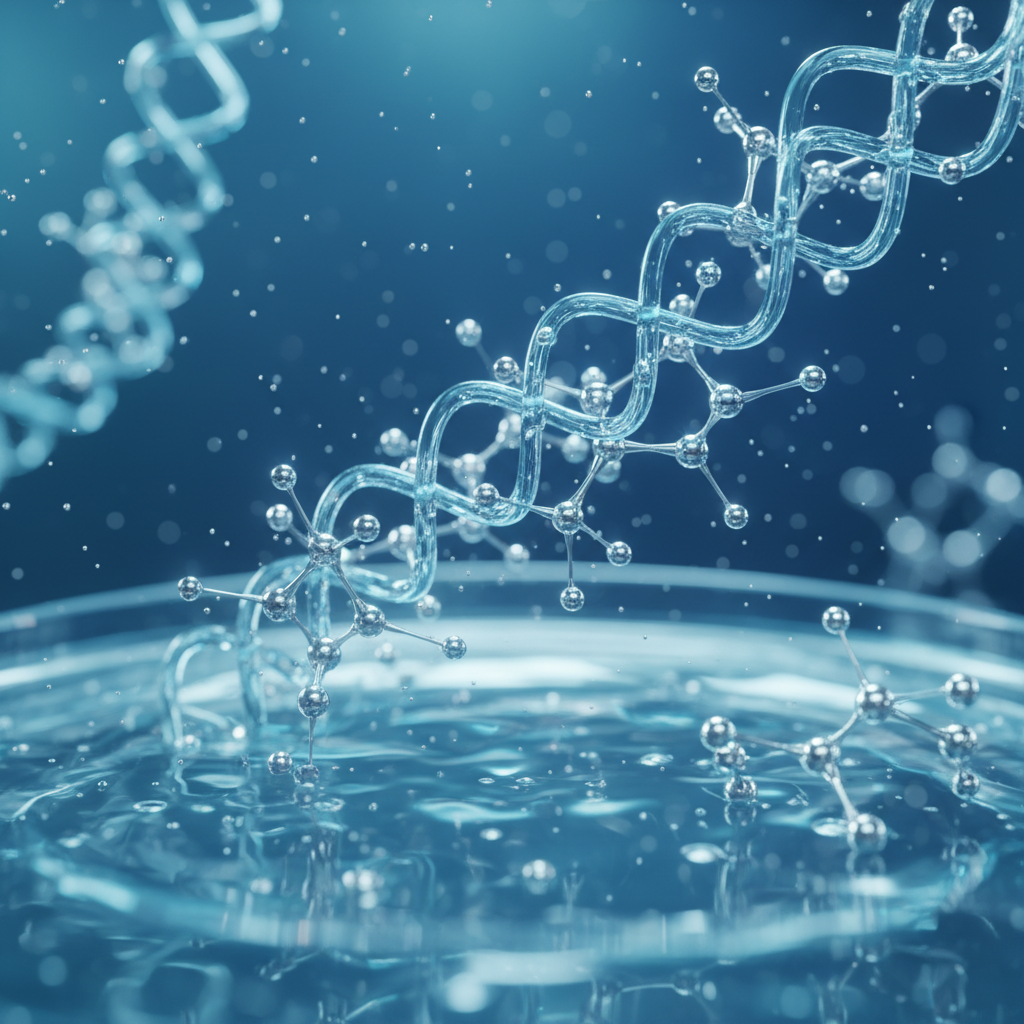
Polydeoxyribonucleotide (PDRN) is derived from salmon sperm DNA and works by activating adenosine A2A receptors in skin cells, triggering a regenerative cascade. Originally used in medical wound healing, it's now a cornerstone of K-Beauty anti-aging. It stimulates fibroblasts to produce collagen and elastin while reducing inflammation and accelerating cellular repair.

Best for:Mature, damaged, or post-procedure skin
Copper Peptides (GHK-Cu)
82/100
Collagen SynthesisAnti-Aging

Copper Peptides (GHK-Cu)

GHK-Cu is a naturally occurring copper complex that declines significantly with age. It signals the skin to synthesize collagen and elastin, promotes wound healing, and has potent antioxidant and anti-inflammatory properties. Clinical studies show it rivals retinol in reducing fine lines while being far gentler on the skin barrier.

Best for:Aging, thin, or barrier-compromised skin
Azelaic Acid
78/100
BrighteningAcne

Azelaic Acid

A dicarboxylic acid naturally found in grains, azelaic acid is a remarkable multi-tasker. It inhibits tyrosinase to fade hyperpigmentation, kills Cutibacterium acnes to clear acne, reduces the inflammatory papules of rosacea, and gently exfoliates. It's one of the few actives safe to use during pregnancy.

Best for:Sensitive, acne-prone, or uneven skin tone
Hypochlorous Acid
72/100
Anti-BacterialCalming

Hypochlorous Acid

HOCl is a naturally produced molecule that white blood cells use to fight infection. In skincare, it acts as a gentle yet potent antimicrobial and anti-inflammatory agent. It neutralizes acne-causing bacteria, soothes irritated or sensitized skin, and accelerates wound healing without disrupting the skin microbiome.

Best for:Sensitive, reactive, acne-prone, or post-procedure skin
Niacinamide
90/100
PoresBrightening

Niacinamide

Niacinamide (Vitamin B3) is arguably the most versatile skincare ingredient available. It regulates sebum production, minimizes the appearance of pores, fades post-inflammatory hyperpigmentation by inhibiting melanosome transfer, strengthens the skin barrier by boosting ceramide synthesis, and has anti-inflammatory properties that calm redness.

Best for:All skin types, especially oily, acne-prone, or uneven
Bakuchiol
75/100
Anti-AgingGentle Retinol Alternative

Bakuchiol

Extracted from the seeds of the Psoralea corylifolia plant, bakuchiol is often called the 'natural retinol alternative.' It activates retinol-like signaling pathways to stimulate collagen production and cell turnover without the dryness, peeling, or photosensitivity associated with retinoids. It's considered safe during pregnancy.

Best for:Sensitive skin, retinol beginners, pregnant individuals
NAD+ (Nicotinamide Adenine Dinucleotide)
68/100
Cellular EnergyLongevity

NAD+ (Nicotinamide Adenine Dinucleotide)

NAD+ is a coenzyme central to cellular energy production and DNA repair. Its levels decline dramatically with age. In skincare, NAD+ precursors (like niacinamide and NMN) replenish cellular energy reserves, enhance the skin's DNA repair mechanisms, improve mitochondrial function, and represent the cutting edge of 'longevity skincare.'

Best for:Mature skin, those focused on preventive anti-aging

Want personalized recommendations?

Read our ingredient guides for deeper dives into mechanisms, layering tips, and routine-building advice.

Read Our Ingredient Guides