Your Skin, But
Permanently
Luminescent.
Science-backed skincare ingredients, Korean beauty trends, and expert product guides — all decoded, all in one place.
Pure Science, High Performance
We decode rare actives fused with bio-engineered ingredients — no buzzwords, only ingredients that earn their place.
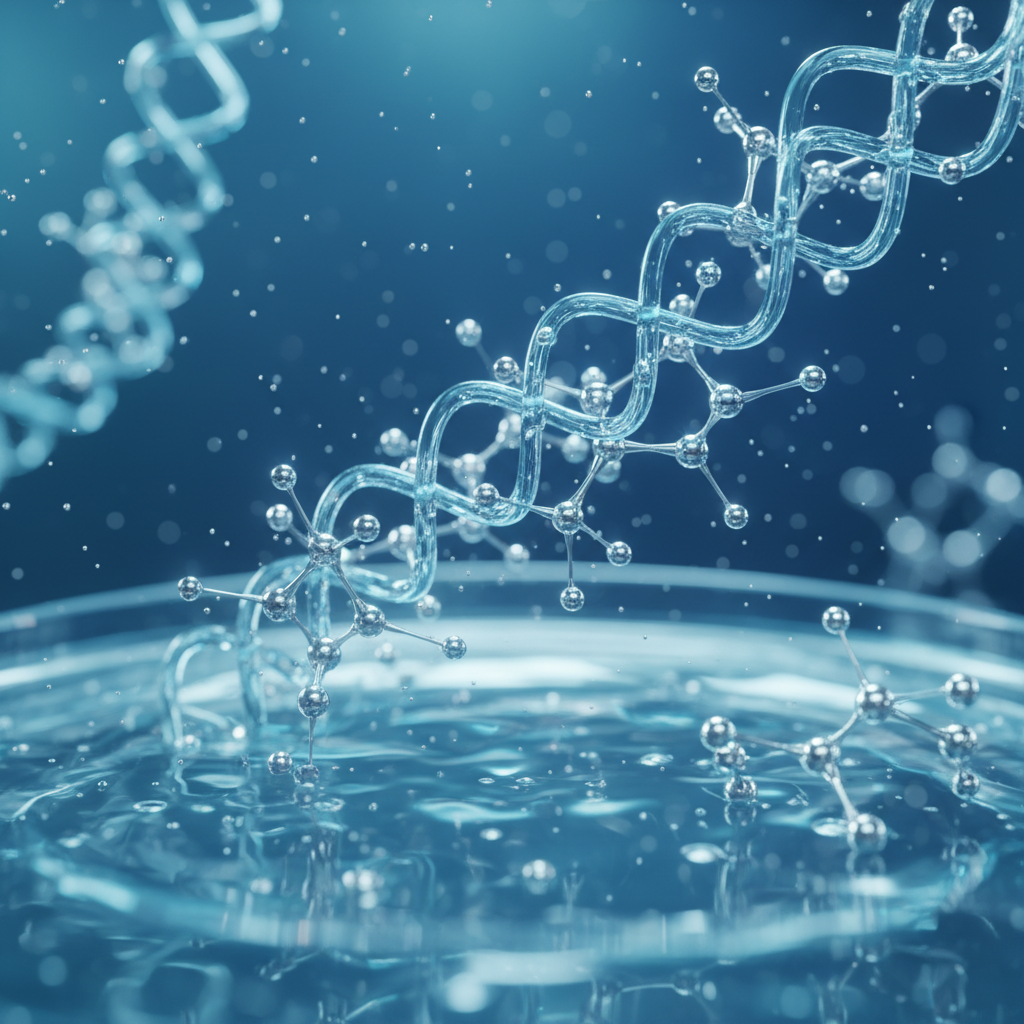
PDRN — Molecular Regeneration
Salmon-derived DNA that triggers deep skin repair at the cellular level. The biggest ingredient of 2026.
The Science Behind the Glow
Every ingredient we cover is backed by peer-reviewed research. No marketing fluff — just actives that have earned their spot.
Explore Ingredients →
Trending Ingredients
The actives the skin world is obsessing over right now.
PDRN
Deep cellular regeneration that rebuilds skin from within.

Copper Peptides
Signal proteins that rebuild collagen and firm sagging skin.
K-Beauty
Layer, hydrate, protect — the 10-step ritual that changed skincare.

Azelaic Acid
Multi-target hero for hyperpigmentation, redness, and breakouts.
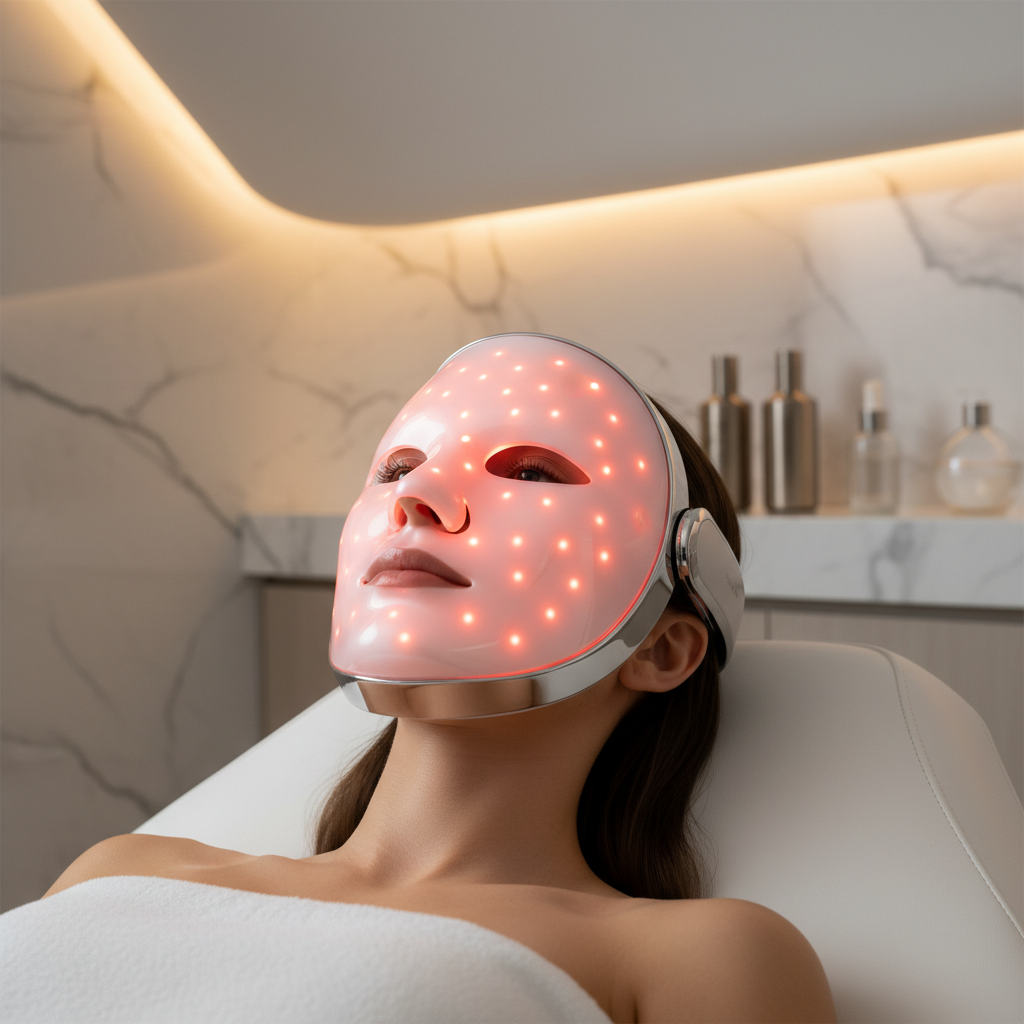
Red Light Therapy
630–850nm wavelengths that stimulate mitochondrial repair.
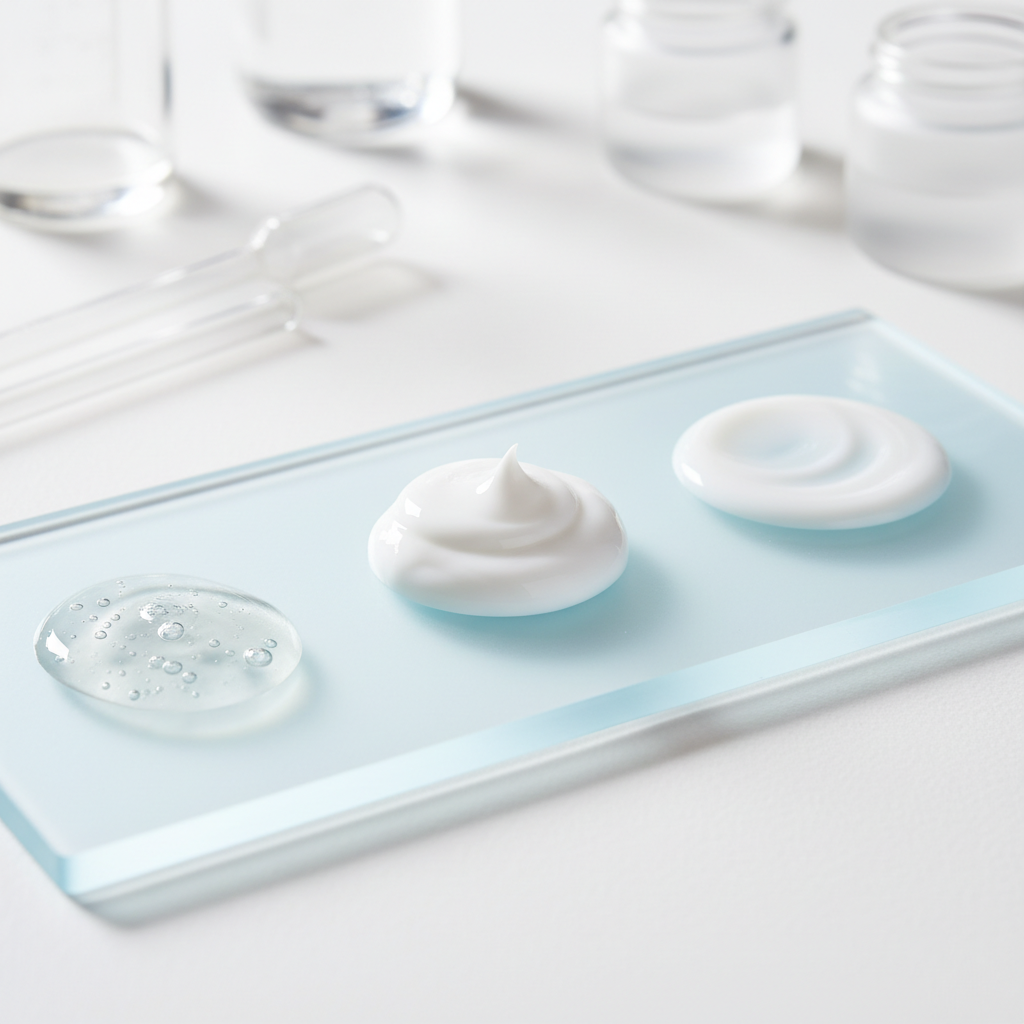
Niacinamide
Pores, brightness, oil control, and barrier repair in one ingredient.
From the Editorial
Written like a smart friend who actually knows skincare.
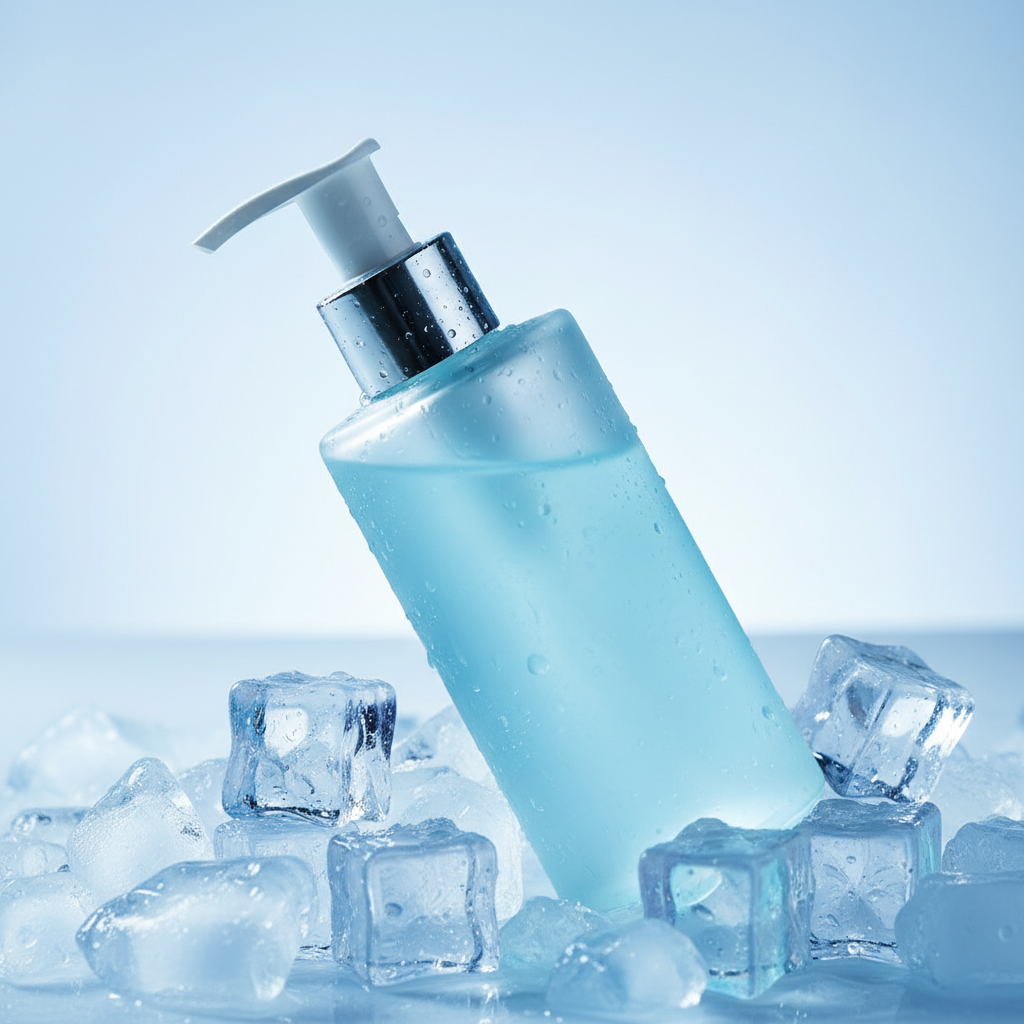
Cooling Skincare and 'Skin Heat': The K-Beauty Trend Behind Cryo Masks
Korean dermatology calls it pibu-yeol — skin heat — and it's the fastest-growing idea in K-beauty this year. The vasoconstriction is real; the lasting benefits are a much smaller claim.
Read More →Polynucleotides vs PDRN: The Distinction Korea's Clinics Care About
PN and PDRN both come from salmon DNA and are not the same molecule. The difference explains Rejuran's rise — and why almost none of that evidence transfers to the serum on your shelf.
Read More →
Body Skinification: Why Korean Body Care Became the Fastest-Growing Category
Body care is getting ampoules, PDRN and PHAs — the same actives as your face. Some translates genuinely, some is a price rise with a serum bottle attached.
Read More →
Best Cooling & Cryo Skincare 2026: What's Worth Buying
The cryo category exploded this year, so plenty of ordinary products acquired a cooling claim. We rank by what actually lowers skin temperature versus what just feels like it does.
Read More →
Panthenol (Vitamin B5): The Ingredient Doing the Quiet Work in Your Routine
Panthenol is in almost every calming and barrier-repair product made, and almost never on the front of the box. It's exactly as good as it claims and no better.
Read More →At-Home Technology
Clinic results, bathroom convenience.

Electroporation Skincare: The Science Behind K-Beauty's Needle-Free Delivery
Pulsed electric fields create transient nanopores in cell membranes — delivering peptides and PDRN 100× deeper than passive application.
Read More →
Medicube Age-R Booster Pro Review: The Viral K-Beauty Device Tested
50 million TikTok views, consistently sold out, and backed by genuine electroporation science. We break down exactly what it does.
Read More →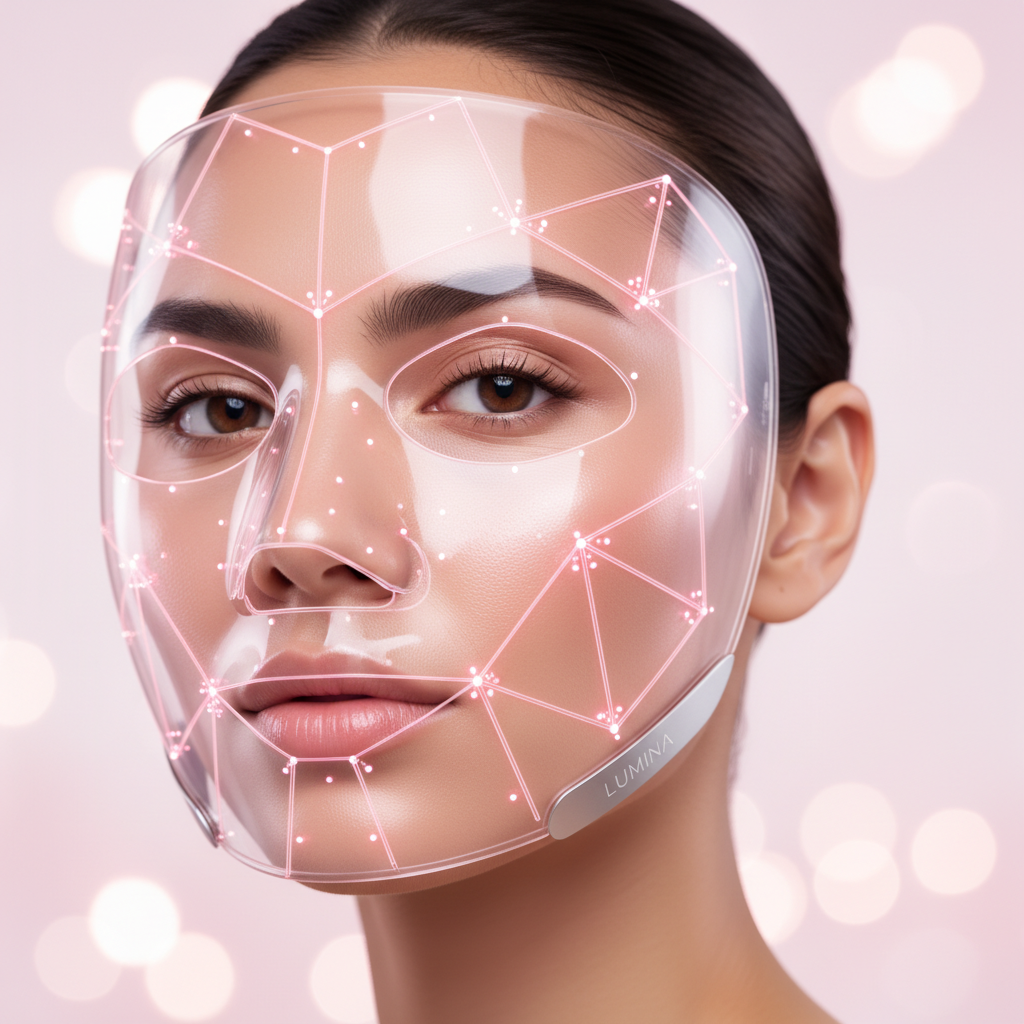
LED Face Masks: The Complete Science Guide to Photobiomodulation
Red, near-infrared, and blue wavelengths interact with skin at the mitochondrial level. A complete guide to what clinical studies say about home LED.
Read More →Beauty from Within
Collagen peptides, recovery science, and ingestible actives.
Collagen Peptides for Joints and Athletic Recovery: What the Science Says
Connective tissue takes 72–96 hours to remodel — and collagen peptides, timed around exercise, can meaningfully accelerate that process.
Read More →Whey vs Collagen Peptides: Which Protein Is Right for Your Goals?
Whey excels at muscle protein synthesis. Collagen excels at connective tissue repair. They serve different systems — and combining both is the evidence-based approach.
Read More →Ingestible Collagen Peptides for Skin, Hair & Nails: Does Beauty from Within Work?
Oral collagen peptides survive digestion as bioactive dipeptides that accumulate in dermis and follicles. We examine the Proksch 2014 RCT.
Read More →