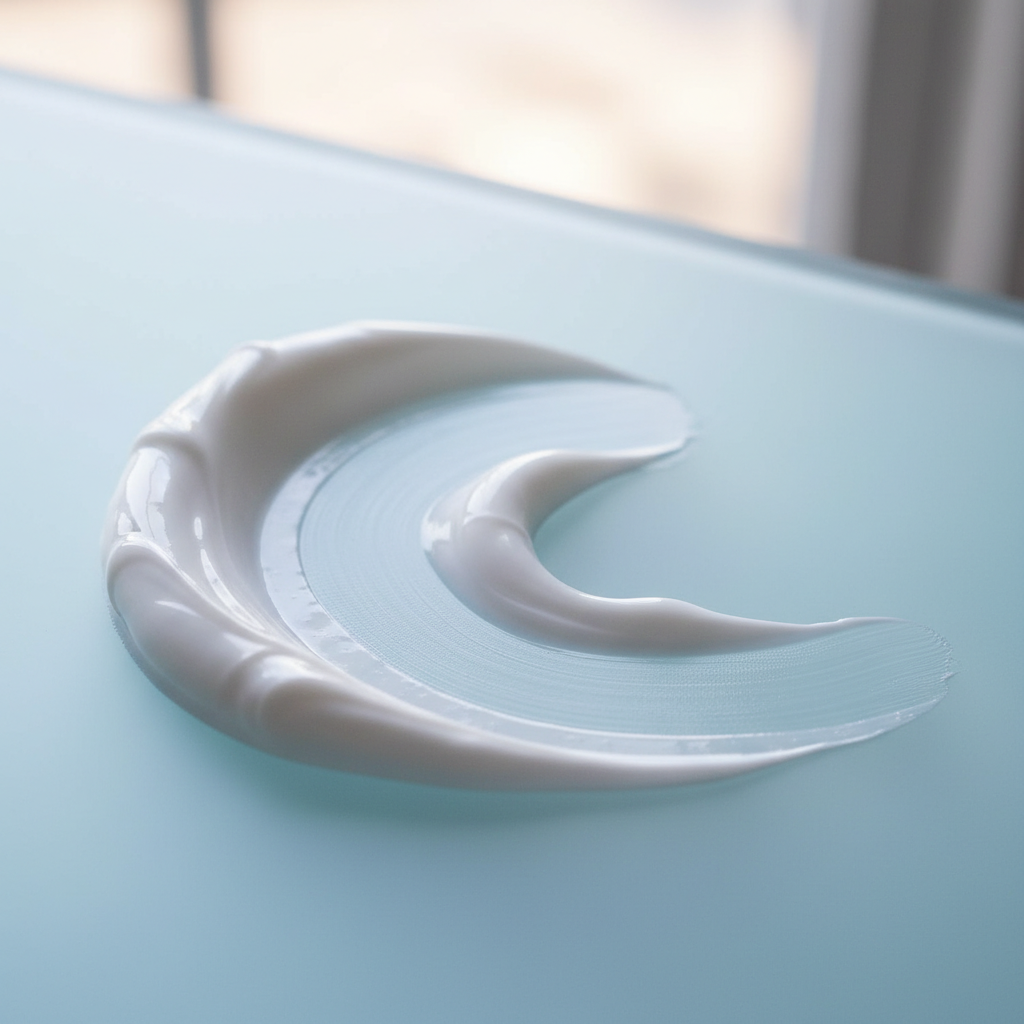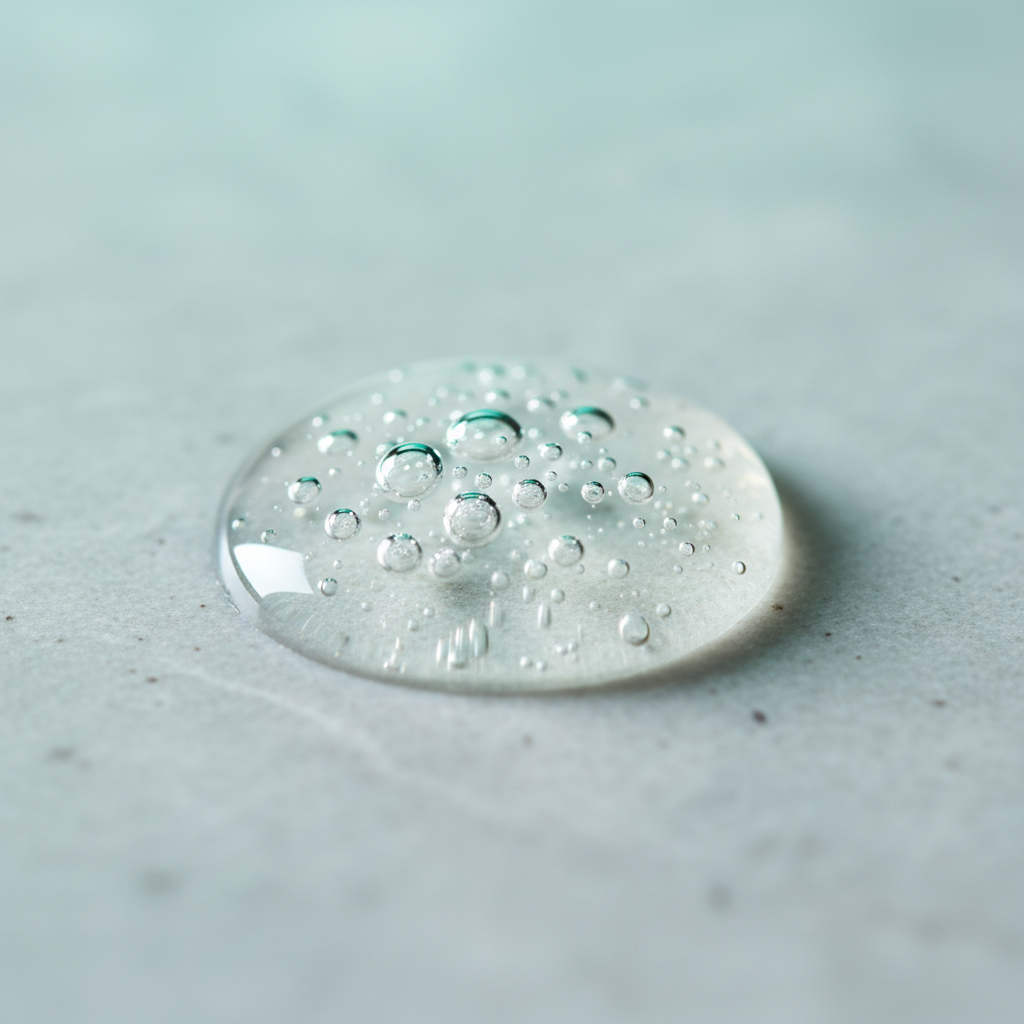
Snail mucin — formally known as snail secretion filtrate (SSF) — may be the most unexpectedly effective ingredient in all of Korean beauty. What sounds like a bizarre gimmick has accumulated a meaningful body of clinical research supporting real skin benefits: accelerated wound healing, improved hydration, reduced fine lines, and calmer, brighter skin. COSRX's Advanced Snail 96 Mucin Power Essence has spent years as one of Amazon's best-selling K-Beauty products. The market has clearly decided. But what does the science actually say — and does the evidence hold up to scrutiny?
What Is Snail Mucin?
Snail mucin is the viscous, gel-like secretion produced by land snails — most commonly Cryptomphalus aspersa (the common garden snail) — as a natural biological response to physical stress, movement, and environmental threat. The snail produces this secretion to protect and repair its own soft tissue, lubricate movement, and defend against environmental pathogens.
In skincare, the ingredient is listed on labels as "Snail Secretion Filtrate" (SSF) and is expressed as a percentage that indicates concentration. COSRX's flagship essence uses 96% SSF, while ampoules and targeted treatments can range from 40% to over 90%.
Ethical harvesting matters: reputable manufacturers harvest snail mucin humanely by allowing snails to move freely across a textured surface or mesh in a clean, stress-free environment, collecting the secretion without touching or harming the animals. No slaughter is involved in properly certified production. When purchasing, look for brands that specify their harvesting methodology.

What's Actually Inside: The Active Compounds
The biological complexity of snail secretion filtrate is the real reason it works. Unlike single-ingredient actives, SSF is a multi-component matrix that delivers several simultaneous mechanisms of action. Here are the key bioactive components:
Allantoin (0.1–2%): A naturally occurring compound produced from uric acid, allantoin is one of SSF's most therapeutically significant components. It stimulates keratinocyte proliferation (accelerating skin cell turnover), promotes wound healing, and has well-documented anti-irritant properties. It's the reason SSF calms reactive skin rather than irritating it.
Glycosaminoglycans (including Hyaluronic Acid): SSF contains naturally occurring glycosaminoglycans — the same family of molecules that includes hyaluronic acid — which act as humectants, drawing water from deeper skin layers and from the environment to maintain surface hydration. This is why properly formulated snail mucin products leave skin visibly plumper.
Glycoproteins: These complex molecules play a key role in extracellular matrix repair. Glycoproteins in SSF have been shown to stimulate fibroblast activity — the cells responsible for synthesizing new collagen and elastin — making snail mucin genuinely relevant to anti-aging concerns.
Copper Peptides (GHK-Cu): SSF naturally contains trace copper peptides, which have their own well-established clinical literature for collagen stimulation, anti-inflammatory activity, and wound healing. The synergy between SSF's copper peptide content and its other bioactives is part of what makes the ingredient effective across multiple concerns.
Collagen and Elastin Precursors: SSF contains both collagen and elastin in fragmented, lower-molecular-weight forms that can influence skin structure. While intact collagen molecules are too large to penetrate skin, these smaller fragments serve as signaling molecules that encourage the skin's own collagen synthesis machinery.
Antimicrobial Peptides: One of the less-discussed components of SSF is its content of natural antimicrobial peptides. These defend the snail from environmental pathogens and in skin applications, contribute to the microbiome-balancing properties that make snail mucin particularly beneficial for acne-prone skin.
Zinc and Manganese: Both minerals are present in SSF in bioavailable forms. Zinc is an established acne treatment (it inhibits sebum production and Cutibacterium acnes proliferation), while manganese acts as a cofactor for superoxide dismutase — a key antioxidant enzyme that protects skin cells from oxidative stress.
Related Reading
Editor's Product Picks
Affiliate links — we earn a small commission at no extra cost to you.
The Clinical Evidence
Snail mucin's transition from folk remedy to science-backed skincare ingredient has been driven by a growing body of peer-reviewed research, much of it conducted by Korean and Italian dermatology teams. Here's what the key studies show:
Wound Healing: The strongest clinical evidence for SSF is in wound healing. A landmark 2013 study published in the Journal of Drugs in Dermatology by Fabi et al. demonstrated that topical SSF applied after microneedling significantly improved both wound recovery speed and the quality of new collagen formation compared to control. The proposed mechanism involves SSF's allantoin content stimulating keratinocyte migration and its glycoproteins scaffolding extracellular matrix repair.
Acne Scar Reduction: A randomized, double-blind controlled trial published in the Journal of Cosmetics, Dermatological Sciences and Applications (2014) found that twice-daily application of SSF cream for 12 weeks produced statistically significant improvements in atrophic acne scar appearance versus vehicle control — with particular efficacy on rolling scars.
Photoaging and Wrinkle Depth: A 2020 Italian study evaluated topical SSF application on subjects with mild-to-moderate photoaging over 12 weeks and found significant reductions in wrinkle depth measurements (via profilometry), improvements in skin elasticity (via cutometry), and increased dermal thickness (via high-frequency ultrasound). The researchers attributed these changes to fibroblast activation driven by SSF's glycoprotein fraction.
Hydration: Multiple smaller studies consistently show that SSF-containing formulations increase skin hydration markers (corneometer readings) significantly versus baseline within 4 weeks of regular use — an unsurprising finding given the concentration of natural glycosaminoglycans.
The honest caveat: most studies use formulations with 40–96% SSF at clinical grade, and many are funded by or conducted in collaboration with SSF suppliers. Independent replication is still limited, particularly for wrinkle-reduction claims. The wound-healing and hydration evidence is the most robust.

Key Skin Benefits
Based on the clinical evidence and the known mechanisms of its active components, snail mucin delivers five well-supported skin benefits:
1. Deep, Long-Lasting Hydration: SSF's natural glycosaminoglycan content — including hyaluronic acid-like molecules — hydrates from within the formula rather than just sitting on the skin surface. Regular users consistently report a lasting "glass skin" plumpness that persists throughout the day.
2. Accelerated Skin Repair: Whether from acne, UV exposure, or physical trauma, SSF accelerates the skin's natural repair processes. This makes it particularly valuable post-procedure (after microneedling, chemical peels, or laser treatments) and for anyone dealing with active acne lesion healing.
3. Collagen and Elastin Stimulation: Via fibroblast activation driven by its glycoprotein fraction, SSF provides meaningful anti-aging support over consistent use. The effects are cumulative — users typically see the most significant texture and firmness improvements after 8–12 weeks of regular application.
4. Acne Scar and Hyperpigmentation Fading: SSF's combination of allantoin (cell turnover support), zinc (sebum regulation), and antimicrobial peptides makes it uniquely suited to post-acne skin recovery. It addresses both active breakouts and the scarring and discoloration they leave behind.
5. Calming Sensitive and Reactive Skin: Despite its bioactive complexity, SSF is remarkably well-tolerated. Its allantoin content acts as an anti-irritant, and its antimicrobial properties help stabilize the skin microbiome. It's one of the few genuinely active ingredients appropriate for rosacea-prone and reactive skin types.
How To Use Snail Mucin In Your Routine
Snail mucin is one of the most flexible and forgiving ingredients in K-Beauty, but application technique affects how much benefit you get from it.
Step positioning: Apply snail mucin essence or serum after your water-based toner and before heavier serums, moisturizers, or oils. On damp skin is ideal — the glycosaminoglycans in SSF bind more water when the skin surface has some existing moisture to draw from.
Layering compatibility: SSF is compatible with virtually every other skincare ingredient. It pairs exceptionally well with niacinamide (enhanced brightening and barrier support), hyaluronic acid (stacked hydration), centella asiatica (complementary wound healing and calming), and vitamin C (SSF's antioxidant content provides a stabilizing co-benefit). It's even safe to use with retinoids — in fact, applying SSF before or after retinol can help mitigate the irritation and dryness retinol commonly causes.
Frequency: SSF can safely be used morning and evening without any buildup period. Unlike acids and retinoids, there is no sensitization risk. If your budget requires it, evening use tends to deliver slightly greater benefit because the skin's repair processes are most active during sleep.
Patch test note: True snail mucin allergies are rare, but they do exist. Anyone with known mollusc shellfish allergy should consult a dermatologist before using SSF products, as the proteins involved share some structural similarities. For everyone else, a standard 48-hour patch test on the inner arm is sufficient.
Expectations: Hydration improvements are immediate and visible from the first application. Texture and pore appearance improvements typically emerge within 2–4 weeks of consistent use. Meaningful anti-aging and scar-fading results require 8–12 weeks of daily application.
Who Should (and Shouldn't) Use It
Snail mucin is remarkably broadly suitable — arguably the most universally applicable ingredient in K-Beauty. Here's a breakdown by skin type and concern:
Ideal for: Dehydrated skin (any type), acne-prone skin and post-acne skin, sensitive and reactive skin including rosacea-prone, skin in the 25–45 age range focused on early anti-aging, post-procedure skin recovery.
Also suitable for: Mature skin (40+) — SSF provides meaningful support but is best complemented with dedicated retinoids or peptide serums for more aggressive anti-aging results.
Use with care: Those with active, severe inflammatory acne may find high-concentration SSF (96%) occlusive. Start with a lower-concentration product or apply a thin layer. Those with mollusc shellfish allergy — as noted above, consult a dermatologist first.
Not recommended for: There are genuinely very few contraindications for snail mucin. Those following strict vegan or cruelty-free-only routines should research individual brands' harvesting practices before purchasing.
Author
Glowstice Editorial
The Glowstice editorial team consists of skincare researchers, cosmetic chemists, and science writers dedicated to translating peer-reviewed dermatology into practical guidance for curious consumers.