Korean beauty has been misrepresented in Western media as a rigid 10-step ordeal. The reality is more pragmatic: K-Beauty is a philosophy centered on prevention over correction, hydration as the foundation of skin health, and consistent gentle care rather than aggressive periodic intervention. The 'steps' are a flexible framework — you choose the layers that your skin actually needs. Many K-Beauty devotees use 4–6 products daily. Some use 8. The point is the logic, not the count. This guide explains that logic from the ground up — and gives you the science behind why each step matters.
The K-Beauty Philosophy
Before diving into steps and products, it helps to understand the underlying principles that distinguish K-Beauty from Western skincare approaches:
Prevention over correction: The single most important tenet. Korean skincare culture emphasizes protecting and maintaining healthy skin starting in the teens and twenties, rather than attempting to reverse damage in the thirties and forties. This is the philosophy behind the recent 'prejuvenation' trend in Western markets — and why sun protection is non-negotiable in Korean routines regardless of age.
Hydration as the foundation: K-Beauty treats adequate skin hydration not as a cosmetic preference but as a biological prerequisite for every other skincare goal. Dehydrated skin cannot optimally absorb actives, repair itself, or maintain barrier function. The multiple toning and essence steps in K-Beauty routines are not redundancy — they are systematic hydration layering.
Gentle, consistent chemistry: Korean cosmetic formulation philosophy tends to favor lower concentrations of multiple synergistic ingredients over single high-dose actives. This produces formulations that are more tolerable, more suitable for daily use, and less likely to trigger reactive skin events.
Ingredient intelligence: K-Beauty consumers and formulators are typically highly ingredient-literate. Korean brands compete heavily on ingredient innovation — introducing clinical actives (PDRN, copper peptides, polyglutamic acid, bakuchiol) to consumer products years before Western markets. Following K-Beauty means getting access to evidence-based innovation early.
Step 1: The Double Cleanse
The double cleanse is the foundational K-Beauty routine step and the one most likely to transform your skin even in isolation.
First cleanse — oil-based: An oil cleanser, cleansing balm, or micellar oil is used to dissolve oil-soluble debris: sunscreen (which is oil-based in most modern formulations), sebum, pollution particles, and oil-based makeup. Oil-based cleansers are effective at this task because 'like dissolves like' — they bind to oil-based contaminants and lift them from the skin surface without disrupting the skin's water-based acid mantle. Use with dry hands on dry skin, massage for 60 seconds, then emulsify with a small amount of water before rinsing.
Second cleanse — water-based: A gentle water-based cleanser (foam, gel, or milk) removes the water-soluble residues the oil cleanser couldn't address: sweat, water-based serums from the previous evening, and any remaining emulsified oil cleanser. This step should use the mildest effective cleanser possible — ideally with a pH close to skin's natural pH of 4.5–5.5 to preserve the acid mantle.
Why double cleanse matters: Single-cleanse routines consistently leave residual sunscreen and pollution on the skin surface. Residual sunscreen interferes with overnight product absorption; residual pollution generates overnight oxidative stress. Double cleansing is not overcleansing — it is complete cleansing with appropriate gentleness at each step.
AM simplification: In the morning, most K-Beauty practitioners use only a water-based cleanser (or plain water for very dry skin types), since no sunscreen removal is needed overnight.
Related Reading
Editor's Product Picks
Affiliate links — we earn a small commission at no extra cost to you.
Step 2: Exfoliation (2–3× Per Week)
Exfoliation is used selectively — not daily — in K-Beauty routines. This distinguishes the approach from aggressive Western exfoliation protocols that can chronically impair barrier function.
Chemical exfoliants (AHA/BHA): Alpha hydroxy acids (glycolic, lactic, mandelic) work on the surface and upper layers to accelerate cell turnover, fade hyperpigmentation, and improve texture. Beta hydroxy acid (salicylic acid) is oil-soluble, penetrates pores, and is the preferred K-Beauty exfoliant for acne-prone and oily skin types. Use 2–3 times per week in the PM routine, followed by thorough hydration layering.
PHAs (polyhydroxy acids): Gluconolactone and lactobionic acid are larger-molecule exfoliants that provide similar benefits to AHAs with less penetration depth and less potential for irritation. Increasingly popular in K-Beauty for sensitive skin types that cannot tolerate traditional AHAs.
Exfoliation frequency guidance: Dry or sensitive skin: 1–2× per week maximum. Normal/combination skin: 2–3× per week. Oily/acne-prone: 3–4× per week (using low-concentration BHA). Always follow with your full hydration and barrier repair routine on exfoliant nights — chemical exfoliation temporarily increases transepidermal water loss.
Steps 3–4: Toner and Essence
This is where K-Beauty most significantly diverges from Western skincare logic — and where much of its efficacy originates.
The K-Beauty toner: Unlike Western astringent toners (designed to remove residue and temporarily tighten pores), K-Beauty toners are lightweight hydrating formulas applied with the hands or a cotton pad to balance and prep the skin. They typically contain humectants (glycerin, hyaluronic acid), soothing botanicals (centella, green tea, aloe), and sometimes low-concentration actives (niacinamide, PHA). Application method: 7-skin method (press 5–7 thin layers of toner into the skin in succession) for maximum hydration loading, or single application for a streamlined routine.
The essence: The essence is K-Beauty's most distinctive product category — a lightweight, watery formula more concentrated than a toner but lighter than a serum. Essences typically contain fermented ingredients (bifida ferment lysate, galactomyces ferment filtrate, saccharomyces ferment), active ingredients at moderate concentrations, and specific treatment actives. Apply 2–3 drops pressed gently into the skin after toning. The fermented ingredient tradition in K-Beauty essences has genuine scientific support — fermented actives have enhanced bioavailability and skin-compatible molecular sizes compared to their unfermented counterparts.
Step 5: Serums and Ampoules
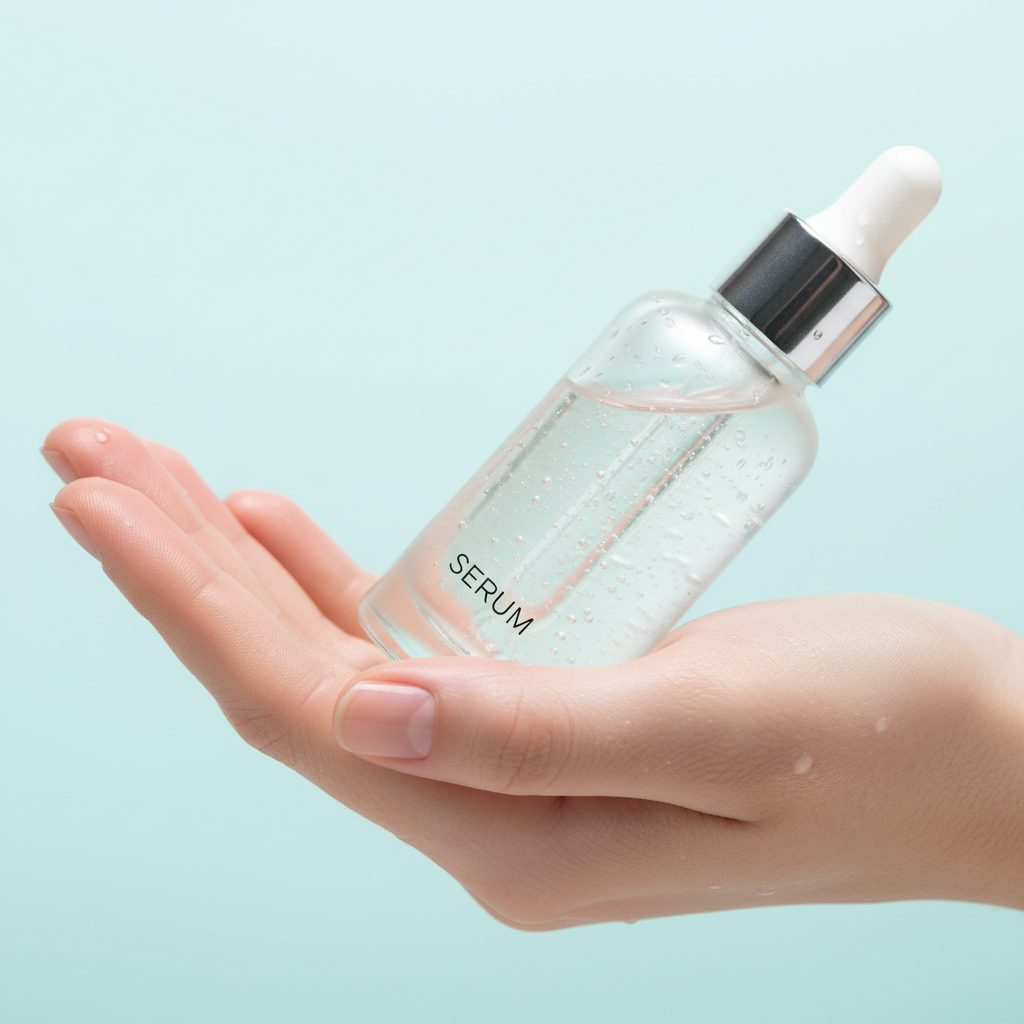
Serums and ampoules are your targeted treatment layer — where the highest-concentration actives live. This is the step where ingredients like niacinamide, PDRN, snail mucin, copper peptides, vitamin C, and retinol are typically delivered.
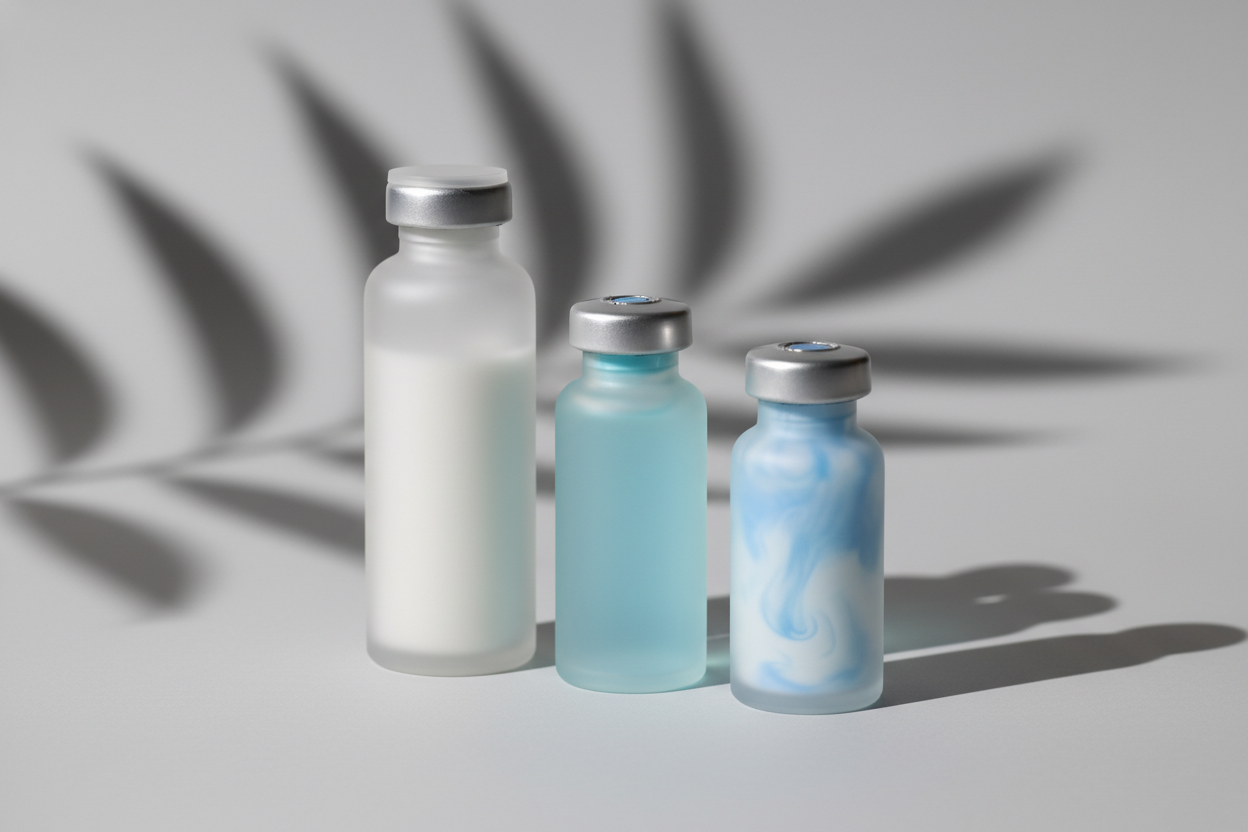
Serum vs. ampoule: The distinction is primarily concentration and intended use frequency. Ampoules are more concentrated, often packaged in single-use vials or small bottles, and traditionally used as intensive short-course treatments (daily for 1–4 weeks) around events or skin stress periods. Serums are everyday use formulas. In practice, the marketing distinction has blurred — use the terms interchangeably based on your routine needs.
Layering multiple serums: Apply from thinnest to thickest consistency — water-thin serums before lightweight gel serums before slightly thicker formulas. Allow each layer 20–30 seconds of absorption before applying the next. For most skin types, 2 serums per routine is the practical maximum before overloading skin.
AM vs. PM serum strategy: AM serums should focus on antioxidant protection (vitamin C, niacinamide) and hydration (hyaluronic acid, snail mucin). PM serums can focus on repair and cell renewal (retinol, PDRN, copper peptides, AHA treatment). This AM/PM division maximizes compatibility and allows each ingredient to work in its most favorable conditions.
Steps 6–7: Moisturizer and SPF
Moisturizer: The moisturizer in a K-Beauty routine seals in all the hydration and actives applied in previous steps — creating an occlusive or semi-occlusive layer that reduces TEWL and allows overnight repair processes to occur undisturbed. K-Beauty moisturizers favor gel-creams and emulsions for lighter daytime feel, and richer creams or sleeping masks for PM repair.
The K-Beauty sleeping mask: A distinctly Korean product category — a thick, occlusive cream or gel mask applied as the final PM step and left on overnight. Sleeping masks contain high concentrations of humectants, emollients, and repair actives. They are not face masks in the traditional sense — they absorb fully and are rinsed off in the morning cleanse. Key ingredients to look for: ceramides, polyglutamic acid (4× the moisture retention of hyaluronic acid), centella asiatica, and PDRN for overnight cellular repair.
SPF (the non-negotiable step): No K-Beauty routine is complete without broad-spectrum SPF 30+ applied every morning, rain or shine. Korean sunscreens have pioneered lightweight, cosmetically elegant formulas that have redefined the SPF category globally — the high SPF usage culture in Korea is a primary reason Korean skin tends to age more gracefully than the average in equivalent climates. Look for PA++++ rating (which indicates UVA protection level) alongside SPF50+ for comprehensive coverage.
Routine by Skin Type
Oily / Acne-Prone: Focus double cleanse on thorough oil removal. Use a low-pH gel cleanser for second cleanse. Exfoliate with 2% BHA (salicylic acid) 3× weekly. Toner with niacinamide or low-pH AHA. Essence: galactomyces or snail mucin. Serum: niacinamide + zinc. Moisturizer: gel-cream or lightweight emulsion. SPF: sunscreen fluid or serum formula.
Dry / Dehydrated: Gentle, non-stripping oil cleanser + milky water cleanser. Skip exfoliant or use lactic acid 1×/week. Use 7-skin method with hydrating toner. Essence: hyaluronic acid or PDRN. Serum: ceramide-rich or snail mucin. Moisturizer: rich cream with ceramides and polyglutamic acid. Sleeping mask 3–4× weekly. SPF with moisturizing base.
Sensitive / Reactive: Oil cleanse with centella-based formula. Minimal water cleanse with pH-balanced mild cleanser. Skip exfoliants until barrier is stable. Toner: centella or aloe-based. Essence: fermented ingredient or bifida lysate. Serum: centella asiatica or HOCl spray. Moisturizer: ceramide cream. Fragrance-free, mineral SPF.
Mature / Anti-Aging Focus: Full double cleanse. Chemical exfoliant 2×/week. Toner + essence for maximum hydration loading. AM: vitamin C serum + SPF. PM: copper peptides or PDRN serum + retinol (low concentration initially). Rich sleeping mask. SPF50+ PA++++ daily.
Building Your Routine: A Practical Starting Point
If you're building a K-Beauty routine from zero, start with four products and add over time:
Week 1–2 (Foundation): Oil cleanser + water-based cleanser + lightweight moisturizer + SPF50+. Let your skin stabilize and learn which moisturizer texture it prefers.
Week 3–4 (Add hydration): Add a K-Beauty toner. Apply with hands, press gently into skin. Observe how your skin feels throughout the day — it should feel comfortable, not tight, not oily.
Month 2 (Add first active): Choose the one active most relevant to your primary concern — niacinamide for pores/brightening, snail mucin essence for general repair and hydration, centella serum for sensitivity. Use daily.
Month 3+ (Refine): Add exfoliation 2×/week. Consider a second targeted serum for your secondary concern. Explore an essence. At this point you have a full K-Beauty routine that you built incrementally — and you understand exactly why every product is there.
Author
Glowstice Editorial
The Glowstice editorial team consists of skincare researchers, cosmetic chemists, and science writers dedicated to translating peer-reviewed dermatology into practical guidance for curious consumers.