Affiliate disclosure: This article contains Amazon affiliate links. As an Amazon Associate, Glowstice earns from qualifying purchases — at no extra cost to you. Our editorial recommendations are independent of these partnerships. Learn more.
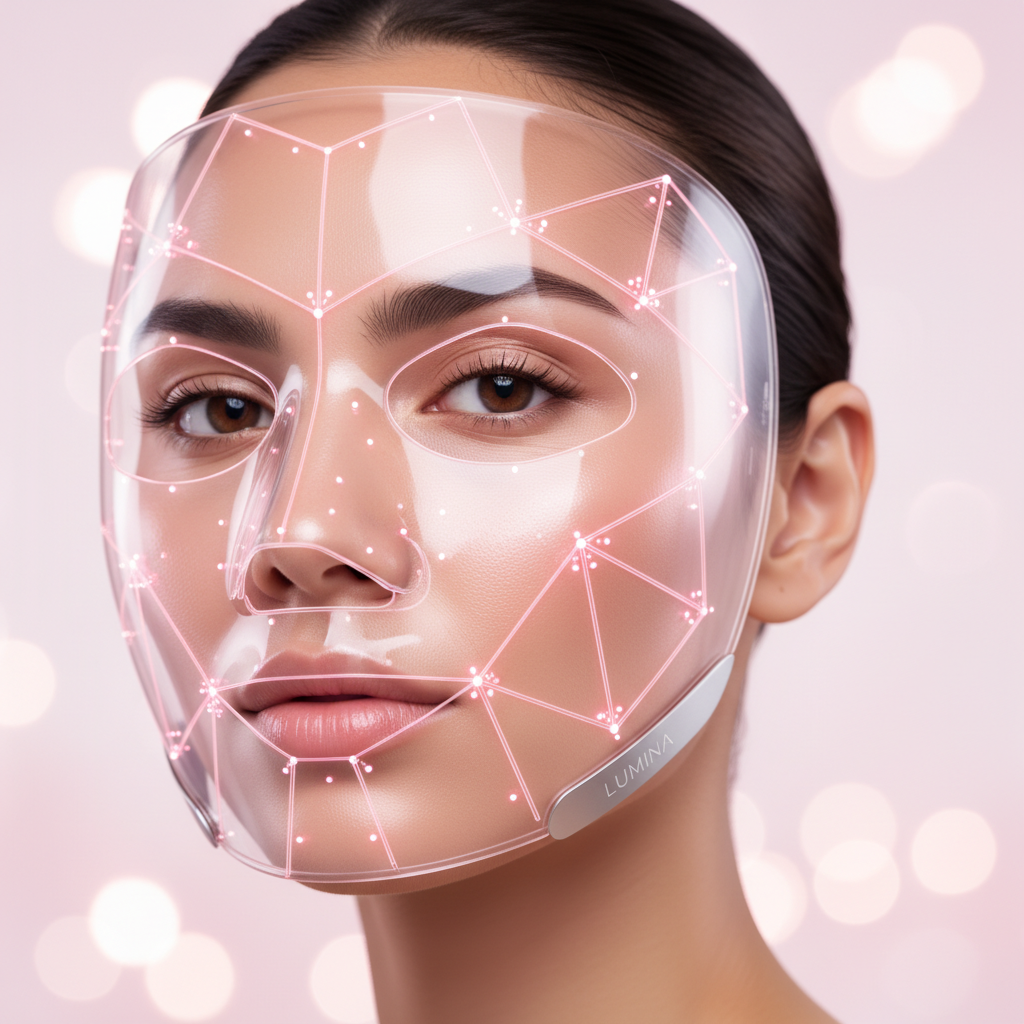
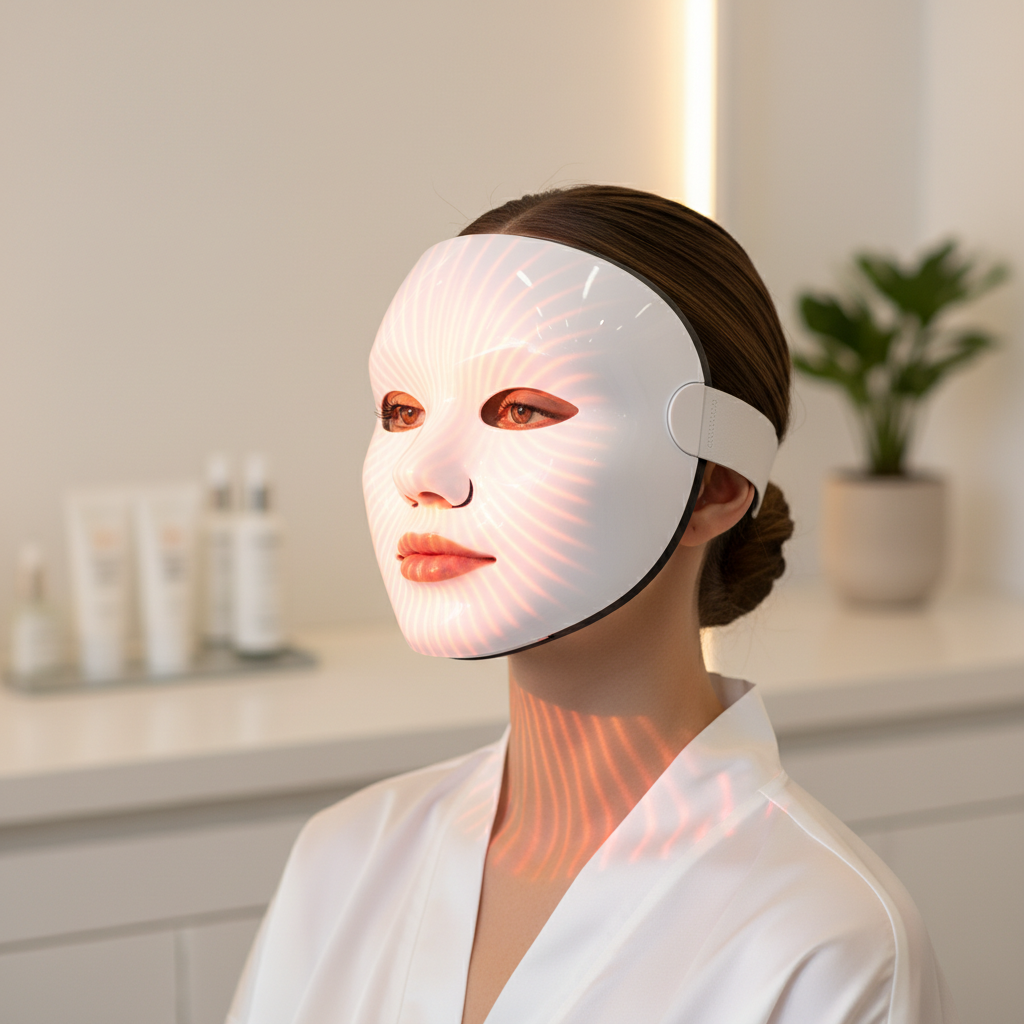
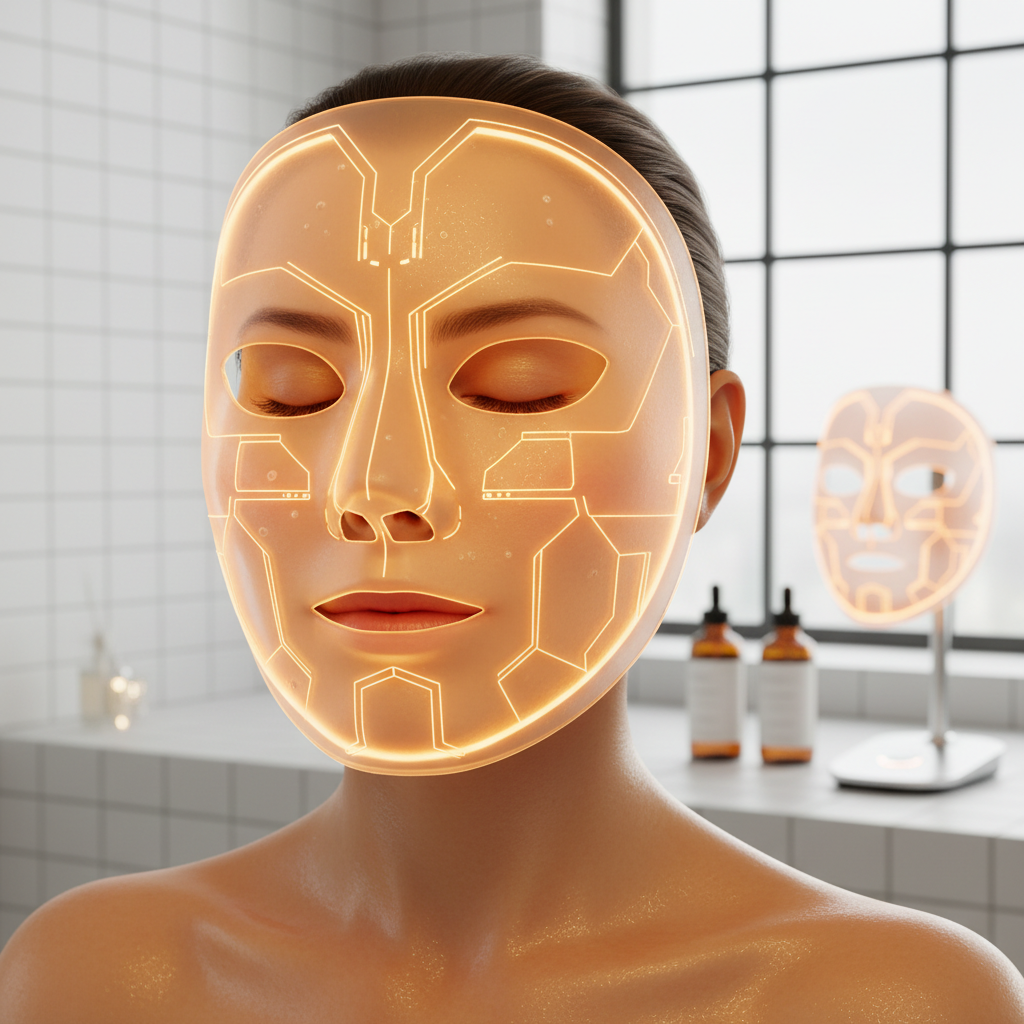
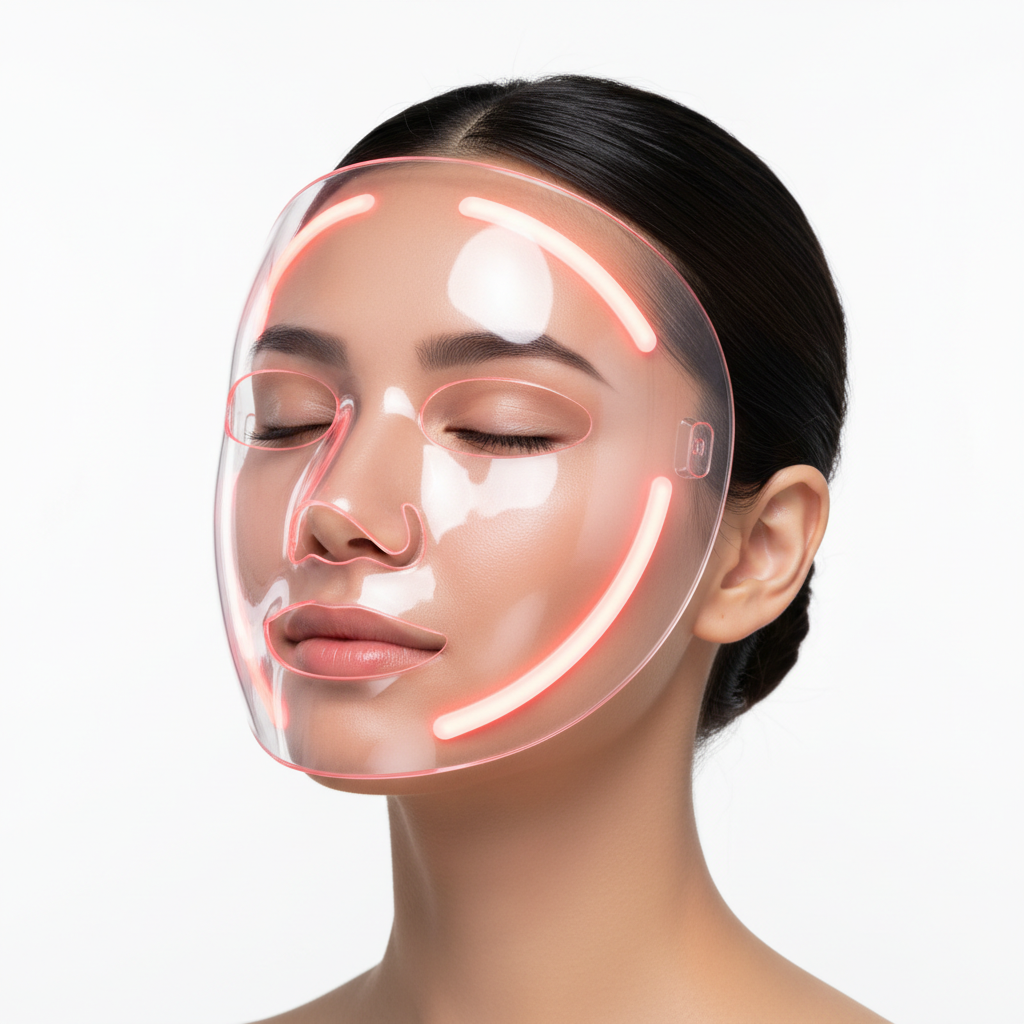
Spending $380–$455 on a skincare device is a significant decision. At this price tier, you have the right to expect: accurate, verified wavelengths; sufficient irradiance to produce clinical-grade results within manageable session times; FDA clearance for a dermatology-relevant indication; clinical study data supporting the device's efficacy; and build quality that justifies the investment over years of use. The three devices reviewed here — CurrentBody Skin, Omnilux Contour FACE, and Dr. Dennis Gross SpectraLite FaceWare Pro — represent the most evidence-backed options at the consumer premium tier.
Understanding FDA Clearance for LED Devices
All three devices reviewed here hold FDA clearance — but it's important to understand what this means and what it doesn't:
What FDA clearance means: The manufacturer submitted a 510(k) premarket notification demonstrating the device is substantially equivalent to a legally marketed predicate device. This requires demonstration of safety and, for the specific indication claimed, some evidence of effectiveness. The FDA clears devices for specific, limited claims (e.g., 'treatment of mild to moderate acne vulgaris' or 'treatment of minor muscle pain').
What it doesn't mean: FDA clearance is not FDA approval. It does not necessarily mean the device has been evaluated by FDA scientists via rigorous clinical trials. The 510(k) pathway is a regulatory shortcut for devices substantially equivalent to previously cleared devices.
Why it still matters: FDA clearance establishes a legal and regulatory accountability framework. Manufacturers must stand behind their safety claims. Devices sold without FDA clearance have no such accountability. For consumer devices, clearance is a meaningful quality floor even if not a quality ceiling.
Related Reading
Editor's Product Picks
Affiliate links — we earn a small commission at no extra cost to you.

Dr. Dennis Gross SpectraLite FaceWare Pro
$455
View on Amazon →CurrentBody Skin LED Light Therapy Mask — $380
CurrentBody's flexible silicone LED mask is one of the most clinically studied consumer LED devices. Key specifications:
Wavelengths: 633nm (red) + 830nm (near-infrared) — both at their evidence-peak wavelengths. Irradiance: Documented at 50 mW/cm² (red) and 17 mW/cm² (NIR) combined output, delivering 11.28 J/cm² per 10-minute session. LED count: 132 LEDs across a flexible silicone panel that conforms closely to the face. FDA status: FDA cleared for anti-aging and temporary relief of minor muscle/joint pain. Clinical evidence: An independent 8-week clinical study on the CurrentBody Skin mask (published 2021) found statistically significant improvements in fine lines, skin elasticity, skin texture, and radiance versus baseline, with 98% of participants reporting improvement.
Design strengths: The flexible silicone panel sits within approximately 5mm of facial skin, which is critical — LED efficacy drops sharply with distance (following the inverse square law). Rigid mask designs that sit further from the face deliver meaningfully less energy. The hands-free design allows use during other activities.
Design limitations: The silicone panel requires cleaning after each use and the wired design limits mobility. The device treats face and neck but not décolletage.
Omnilux Contour FACE — $395
Omnilux is a professional LED therapy brand with a multi-decade clinical history. Their Contour FACE adapts their clinical technology into a consumer format. Key specifications:
Wavelengths: 633nm (red) + 830nm (near-infrared) — matching the Wunsch & Matuschka 2014 study's protocol exactly. Irradiance: Approximately 55–60 mW/cm² combined at skin contact, one of the highest in the consumer category. LED count: 132 LEDs in a flexible medical-grade silicone panel. FDA status: FDA cleared; also TGA registered in Australia. Clinical evidence: Omnilux's professional devices have been used in numerous clinical studies across wound healing, acne, and anti-aging. The consumer Contour FACE shares the same wavelength specifications and irradiance levels as some of these studies.
Design strengths: Omnilux's professional heritage means their clinical team understands dosimetry — the device is engineered to deliver the doses used in their evidence base. The flexible silicone design minimises air gap between LEDs and facial skin.
Design limitations: Price point is high relative to evidence delta versus CurrentBody. Like CurrentBody, treats face and neck but not the full décolletage without additional device purchases. No blue light wavelength for acne management.
Dr. Dennis Gross DRx SpectraLite FaceWare Pro — $455
The SpectraLite FaceWare Pro takes a broader approach than the CurrentBody and Omnilux, adding blue and yellow wavelengths to the red + NIR base. Key specifications:
Wavelengths: Red (630nm) + Blue (415nm) + Yellow (590nm) + Near-Infrared (830nm). Irradiance: Not publicly disclosed in detailed mW/cm² figures — a limitation for comparison purposes. LED count: 162 LEDs. FDA status: FDA cleared for mild to moderate acne, anti-aging, and temporary muscle pain. Clinical evidence: Independent studies on the SpectraLite Pro device demonstrate improvements in fine lines, skin tone, and acne lesion counts. The multi-wavelength approach addresses more skin concerns in a single device than single-wavelength competitors.
Design strengths: The addition of blue (415nm) light for acne management makes this the most versatile of the three devices — one protocol for anti-aging (red + NIR), another for acne-prone skin (blue + red). Yellow light adds some evidence-based support for redness reduction. Rigid mask design offers hands-free use. Highest LED count of the three.
Design limitations: Rigid shell design does not conform to the face as closely as flexible silicone alternatives — the air gap reduces effective irradiance at skin level. Irradiance data is not publicly disclosed in comparable format to CurrentBody and Omnilux, making independent dose verification difficult.
Which Premium LED Mask Should You Buy?
Best for pure anti-aging evidence and dose verification: Omnilux Contour FACE. The combination of Omnilux's professional clinical heritage, transparent irradiance specifications, and wavelength accuracy at the evidence-peak wavelengths (633nm + 830nm) makes it the most defensible choice for someone prioritising collagen stimulation and anti-aging with the strongest evidence base.
Best for anti-aging + acne combination: Dr. Dennis Gross SpectraLite FaceWare Pro. If acne or post-inflammatory hyperpigmentation are also concerns alongside anti-aging, the multi-wavelength SpectraLite is the only premium device in this category to include blue light. The evidence for 415nm + red + NIR for combined acne and anti-aging is compelling.
Best value per dollar in premium tier: CurrentBody Skin. At $380, it is the most affordable of the three while matching Omnilux's wavelength specifications and providing independently verified dose data. The flexible silicone design minimises air gap effectively.
All three devices represent legitimate premium investment for those committed to LED therapy as a long-term skincare practice. None is a waste of money at their respective price points when used consistently over 12+ months.
Author
Glowstice Editorial
The Glowstice editorial team consists of skincare researchers, cosmetic chemists, and science writers dedicated to translating peer-reviewed dermatology into practical guidance for curious consumers.