
Anti-aging skincare has historically focused on the symptoms of aging: wrinkles, pigmentation, laxity. The emerging skin longevity movement takes a fundamentally different approach — targeting the upstream biological mechanisms that cause those symptoms in the first place: declining NAD+ levels, accumulating senescent cells, dysfunctional mitochondria, and impaired DNA repair. This shift mirrors the broader longevity medicine movement led by researchers like David Sinclair and Valter Longo. Whether the science fully supports the consumer products coming to market is a more complicated question — this guide separates the rigorous from the speculative.
What Is Skin Longevity?
Skin longevity is the emerging framework of treating the skin as a biological system with an intrinsic lifespan — and actively intervening in the mechanisms that accelerate its deterioration. Rather than treating wrinkles after they appear, skin longevity strategies aim to preserve the cellular machinery that prevents wrinkles from forming in the first place.
The concept draws from three converging fields: molecular gerontology (the study of biological aging mechanisms), longevity medicine (systemic interventions like NAD+ precursors, senolytics, and caloric restriction mimetics), and cosmetic dermatology (topical ingredient science). Where these three fields intersect is where the most interesting — and most rigorously examined — skin longevity science lives.
Key hallmarks of skin aging at the cellular level include: declining NAD+ concentrations (reducing cellular energy and DNA repair capacity), accumulation of senescent 'zombie' cells that secrete pro-inflammatory signals, mitochondrial dysfunction reducing cellular ATP production, increased oxidative stress outpacing antioxidant defenses, impaired autophagy (the cellular recycling process), and epigenetic drift that alters gene expression patterns in skin cells. Each of these represents a potential intervention target.
NAD+ and Skin Aging: The Central Molecule
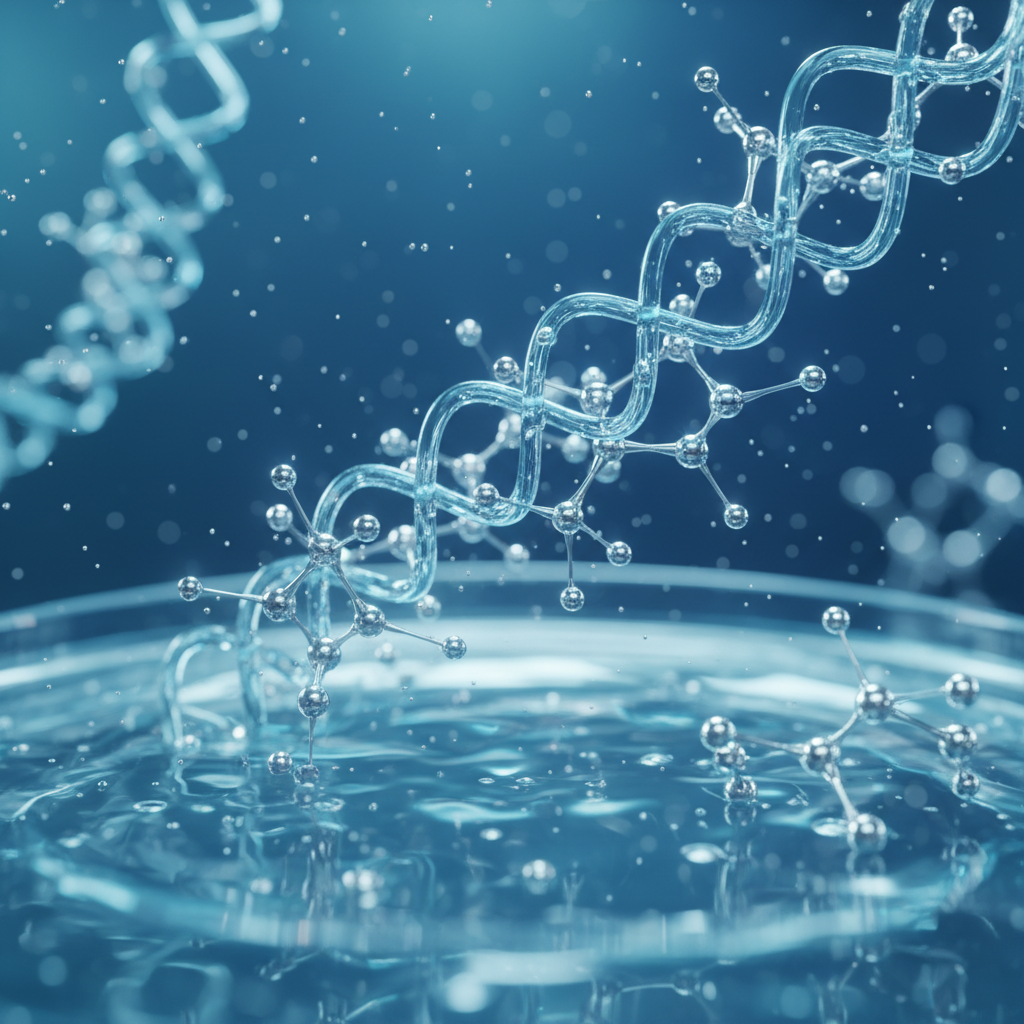
NAD+ (nicotinamide adenine dinucleotide) is a coenzyme found in every cell, essential to hundreds of metabolic reactions. Its decline with age — plasma NAD+ levels fall roughly 50% between age 40 and 60 in humans — is one of the most well-characterized features of biological aging and a central target in longevity research.
In skin specifically, NAD+ plays critical roles in: powering the mitochondrial electron transport chain (cellular energy production), fueling PARP enzymes that repair UV-induced and oxidative DNA damage, activating sirtuin deacetylases (SIRT1–SIRT7) that regulate cellular stress responses and aging, and maintaining the NAD+/NADH ratio that governs hundreds of enzymatic reactions in keratinocytes and fibroblasts.
The consequence of declining NAD+ in skin cells is impaired DNA repair (meaning UV and environmental damage accumulates faster), reduced sirtuin activity (impaired cellular stress response and accelerated senescence), and decreased fibroblast metabolic activity (less collagen and elastin synthesis). This is not theoretical — biopsies of aged versus young human skin confirm significantly lower NAD+ levels and PARP activity in aged dermal tissue.
NAD+ precursors — molecules that the body converts to NAD+ — include niacinamide (nicotinamide), nicotinamide riboside (NR), and nicotinamide mononucleotide (NMN). NR and NMN are more direct and efficient NAD+ precursors than niacinamide, bypassing rate-limiting steps in the biosynthetic pathway. This is why dedicated longevity supplements use NR or NMN rather than relying on dietary niacin.
Related Reading
Editor's Product Picks
Affiliate links — we earn a small commission at no extra cost to you.


Sirtuins, Senescence, and the SASP
Sirtuins (SIRT1–SIRT7) are a family of NAD+-dependent enzymes that function as master regulators of cellular aging. When NAD+ levels decline, sirtuin activity falls — and with it, the cellular maintenance processes sirtuins regulate:
SIRT1 deacetylates and activates PGC-1α (promoting mitochondrial biogenesis), regulates the NF-κB inflammatory pathway (relevant to chronic skin inflammation), and modulates autophagy — the cellular recycling process that clears damaged proteins and organelles. SIRT3 maintains mitochondrial function by deacetylating key metabolic enzymes. SIRT6 is directly involved in telomere maintenance and DNA double-strand break repair.
Cellular Senescence and the SASP: Senescent cells are cells that have permanently exited the cell cycle — typically due to DNA damage, telomere erosion, or oncogenic stress — but have not been cleared by the immune system. They accumulate progressively in aged skin tissue. The problem is not just that these cells have stopped functioning — it's that they actively damage surrounding tissue by secreting a cocktail of pro-inflammatory cytokines, proteases, and growth factors collectively called the Senescence-Associated Secretory Phenotype (SASP). The SASP promotes chronic inflammation, degrades the collagen matrix, and induces senescence in neighboring healthy cells — propagating aging through the tissue.
Senolytics: The emerging class of 'senolytic' compounds — which selectively clear senescent cells — include quercetin, dasatinib, fisetin, and navitoclax. Senolytic research in skin models has shown that clearing senescent cells restores more youthful tissue function and reduces SASP-driven inflammation. Clinical-grade senolytic skincare is still early-stage, but topical quercetin and fisetin are beginning to appear in longevity-positioned formulations.
Mitochondrial Health and Skin Aging
Mitochondria — the cellular energy generators — are increasingly recognized as central drivers of skin aging. The mitochondrial free radical theory of aging, proposed by Denham Harman, holds that reactive oxygen species (ROS) generated during mitochondrial respiration accumulate over time, damaging mitochondrial DNA (which has limited repair capacity compared to nuclear DNA), proteins, and lipids in a self-amplifying cycle.
In aged skin, mitochondrial function declines measurably: ATP production decreases, mitochondrial membrane potential falls, and mitophagy (the selective autophagy of damaged mitochondria) becomes less efficient — allowing dysfunctional mitochondria to accumulate and generate disproportionate ROS. The downstream consequences for skin are reduced fibroblast energy for collagen synthesis, impaired keratinocyte differentiation, and reduced capacity for UV damage repair.
Topical mitochondrial support strategies include: CoQ10 (ubiquinone/ubiquinol) — a mitochondrial electron chain component and antioxidant depleted in aged cells; MitoQ — a mitochondria-targeted antioxidant designed to concentrate inside mitochondria; and alpha-lipoic acid — a universal antioxidant effective in both mitochondrial membrane and cytoplasm. Clinical studies on topical CoQ10 show modest but consistent improvements in fine line appearance and skin energy metabolism markers in aged skin.
Topical vs. Systemic Approaches
One of the most important questions in skin longevity is whether the relevant interventions can be delivered topically or require systemic supplementation.
Systemic NAD+ precursors: Oral NR (nicotinamide riboside) and NMN (nicotinamide mononucleotide) demonstrably raise blood NAD+ levels and have shown benefits in multiple clinical trials for muscular function, cardiovascular markers, and metabolic parameters. Whether these systemic NAD+ increases translate meaningfully to skin tissue is biologically plausible — NAD+ precursors do reach dermal fibroblasts via the circulation — but has not been directly studied with skin-specific endpoints in high-quality human trials. This is an evidence gap, not a refutation.
Topical NAD+ delivery: Topically applied niacinamide (a NAD+ precursor via the salvage pathway) does raise local NAD+ levels in keratinocytes and has well-documented skin effects. Whether topical NMN or NR offer additional local benefit over niacinamide is currently understudied. Several brands now offer topical NMN serums — the science is plausible but clinical evidence is limited.
The combined approach: The most evidence-supported strategy combines oral NAD+ precursor supplementation (for systemic cellular maintenance) with evidence-backed topical actives (niacinamide, antioxidants, peptides, retinoids) for skin-specific benefits. Neither approach alone is likely to be optimal.
Evidence vs. Hype: An Honest Assessment
Skin longevity is a legitimate and growing area of scientific inquiry — but the consumer market has raced far ahead of the evidence. Here's an honest calibration:
Well-supported: The role of NAD+ decline in cellular aging is established science. The senescence/SASP model of skin aging is supported by robust histological and molecular evidence. Oral NR and NMN raising NAD+ levels in humans is demonstrated in multiple clinical trials. Topical niacinamide's skin benefits operate partly via NAD+ pathway mechanisms. CoQ10's decline with age and its role in mitochondrial function are established.
Plausible but incompletely studied: Whether oral NR/NMN supplementation measurably improves skin aging specifically. Whether topical NMN or NR serums outperform niacinamide for skin applications. The clinical efficacy of topical quercetin or fisetin as senolytics in skin.
Marketing ahead of science: Single-ingredient 'longevity serum' claims citing systemic longevity research but not conducting skin-specific trials. Epigenetic reprogramming claims in skincare without clinical substantiation. Products priced in the hundreds of dollars on the basis of early-stage science.
The bottom line: NAD+ precursor supplementation (oral NR/NMN) combined with a well-formulated topical routine including niacinamide, antioxidants, and retinoids represents the most evidence-supported skin longevity protocol available today. The field will look meaningfully different in five years as dedicated skin studies accumulate.
Building a Skin Longevity Protocol
A practical skin longevity approach combines systemic supplementation with targeted topical skincare:
Oral Foundation: Consider a well-studied NAD+ precursor supplement (NR at 300mg/day is the best-studied dose) for systemic cellular maintenance. Combine with resveratrol or pterostilbene (sirtuin activators) and a good-quality omega-3 for systemic anti-inflammatory support. Always discuss supplementation with your physician, particularly if taking other medications.
Topical Core: Niacinamide 5–10% (NAD+ precursor + multiple direct skin benefits). Broad-spectrum SPF50+ daily (UV damage is the primary driver of skin NAD+ depletion and accelerated cellular senescence). A well-formulated retinoid (retinol or prescription tretinoin) for proven collagen stimulation, epidermal renewal, and senescence reduction. An antioxidant serum (vitamin C in the AM) for oxidative stress defense.
Longevity-Specific Additions: CoQ10 or MitoQ-containing serum for mitochondrial support. Copper peptides (GHK-Cu) for simultaneous antioxidant, collagen, and DNA repair gene activation — GHK-Cu has been shown to upregulate hundreds of genes involved in DNA repair pathways. PDRN or high-grade peptide complex for cellular repair signaling.
Lifestyle factors (non-negotiable): Sun protection extends to UV-protective clothing and avoiding peak UV hours — no topical or supplementary protocol compensates for chronic UV exposure. Quality sleep (7–9 hours) is when most skin cellular repair occurs. Minimizing glycation through dietary sugar restriction is directly relevant to collagen cross-linking and skin aging rate.
Author
Glowstice Editorial
The Glowstice editorial team consists of skincare researchers, cosmetic chemists, and science writers dedicated to translating peer-reviewed dermatology into practical guidance for curious consumers.