Affiliate disclosure: This article contains Amazon affiliate links. As an Amazon Associate, Glowstice earns from qualifying purchases — at no extra cost to you. Our editorial recommendations are independent of these partnerships. Learn more.
Acne is the most common dermatological condition treated with phototherapy in clinical settings — and the evidence base for light-based acne treatment is unusually strong compared to most cosmetic interventions. Blue light at 415nm targets the porphyrins produced naturally by Cutibacterium acnes, generating singlet oxygen that destroys the bacteria from within through photodynamic inactivation. Red light at 630nm suppresses the inflammatory cytokine cascade that converts bacterial colonization into painful, scarring cystic lesions. Clinical trials consistently show that the combination of blue and red light outperforms either wavelength alone — and the molecular biology explains precisely why.
The Biology of Acne: Why Bacteria and Inflammation Are Separate Targets
Acne vulgaris develops through four interacting mechanisms: follicular hyperkeratinization (excess dead cell buildup that blocks the pore), sebum overproduction (feeding the microbial environment), Cutibacterium acnes proliferation (the key bacterial driver), and the inflammatory response to bacterial metabolites. Effective treatment needs to address at least two of these pathways simultaneously.
C. acnes is an obligate anaerobe — it thrives in the low-oxygen environment of a sebum-filled follicle. But its vulnerability to light therapy comes from an unexpected source: porphyrins. C. acnes naturally produces coproporphyrin III and protoporphyrin IX as metabolic byproducts. These molecules have a peak absorption spectrum at 415nm (the Soret band of porphyrin photochemistry). When illuminated with blue light at this wavelength, porphyrins absorb photons and react with ambient oxygen to generate singlet oxygen (¹O₂) — a highly reactive species that damages bacterial cell membranes, cytoplasmic proteins, and DNA with lethal efficiency.
The inflammatory component — the papules, pustules, and cysts — is driven by the immune response to bacterial metabolites and cell wall components. Toll-like receptor 2 (TLR2) on sebocytes and keratinocytes detects C. acnes lipopolysaccharides and triggers IL-1β, IL-6, IL-8, and TNF-α production. This is where red light at 630nm enters: photobiomodulation at this wavelength suppresses NF-κB activation in immune cells, reducing the downstream cytokine cascade. The two mechanisms operate on different targets, which explains why combining wavelengths produces better outcomes than either alone.
Blue Light at 415nm: Photodynamic Inactivation of C. acnes
The antimicrobial mechanism of blue light is photodynamic inactivation (PDI) — a form of photochemistry that uses endogenous photosensitizers (the bacterial porphyrins) without exogenous photosensitizing agents. This distinguishes it from photodynamic therapy (PDT), which requires topical application of a photosensitizer like 5-aminolevulinic acid.
At 415nm, bacterial porphyrins are excited to a triplet state and transfer energy to ground-state oxygen, generating singlet oxygen (Type II mechanism) and superoxide radicals (Type I mechanism). Singlet oxygen has a half-life of approximately 3.5 microseconds in biological tissue — short enough to act only at the immediate site of generation (inside the bacterial cell), but long enough to oxidize bacterial membranes, respiratory chain proteins, and nucleic acids. The selective toxicity is key: mammalian cells produce negligible porphyrins, so blue light at clinical doses damages C. acnes without causing meaningful human cell toxicity at equivalent exposure levels.
Optimal energy density for blue light acne treatment is 15–40 J/cm² per session at irradiances of 50–100 mW/cm². Higher irradiance does not improve outcomes proportionally — the limiting factor is porphyrin availability in follicles, not photon flux. Penetration depth of 415nm light is 0.5–1mm — sufficient to reach the upper follicular unit where C. acnes colonies are densest.
Related Reading
Editor's Product Picks
Affiliate links — we earn a small commission at no extra cost to you.

Blue + Red LED Combination Mask for Acne
$80–$180
View on Amazon →
Targeted LED Acne Spot Treatment Wand
$40–$120
View on Amazon →
Niacinamide 10% + Zinc Post-Light Serum
$8–$30
View on Amazon →
2% Salicylic Acid BHA Pre-Treatment Toner
$10–$35
View on Amazon →Red Light at 630nm: Suppressing the Inflammatory Cascade
Red light at 630nm does not kill bacteria directly. Its anti-acne mechanism operates entirely on the host's inflammatory response — which makes it specifically valuable for inflammatory acne (papules, pustules, cysts) rather than purely comedonal (non-inflamed blackhead/whitehead) acne.
The primary photobiomodulation target at 630nm is cytochrome c oxidase (Complex IV of the mitochondrial electron transport chain). Photon absorption increases mitochondrial membrane potential, accelerates ATP production, and generates a transient reactive oxygen species signal that activates anti-inflammatory transcription factors — including Nrf2 (master antioxidant regulator) and PGC-1α (mitochondrial biogenesis factor). Downstream effects include suppression of NF-κB-driven pro-inflammatory cytokine production, reduction of IL-1β and TNF-α secretion from immune-activated sebocytes, and accelerated clearance of post-inflammatory debris.
Additionally, 630nm light modulates sebaceous gland activity via direct effects on sebocytes — cells that produce sebum. Multiple studies report reduced sebum production following regular red light therapy, removing the metabolic fuel that sustains C. acnes colonies. This sebostatic effect complements the bactericidal action of blue light by addressing the upstream cause of follicular C. acnes overgrowth.
Clinical Evidence: Key Trials and What They Show
The foundational controlled trial for blue + red light combination therapy in acne was published by Papageorgiou et al. in the British Journal of Dermatology (2000). In a 12-week randomized study of 107 patients, the combination of 415nm blue light and 660nm red light produced a 76% mean reduction in inflammatory acne lesion count — significantly outperforming blue light alone (58% reduction), benzoyl peroxide (15% reduction), and a white light placebo (25% reduction). This remains one of the most-cited acne light therapy studies in dermatology.
A 2009 study by Tzung et al. (Photodermatology, Photoimmunology & Photomedicine) confirmed the combination effect in a separate patient cohort, reporting 64% improvement in inflammatory lesion count after 8 sessions over 4 weeks. A 2012 systematic review in the Journal of the American Academy of Dermatology reviewed 11 controlled trials and concluded that blue-red light combination therapy produces significant reductions in inflammatory lesion count, though variability in device parameters and protocols limits precise dose guidance.
For comedonal acne (non-inflammatory blackheads and whiteheads), the evidence is more limited — PDI is less effective when porphyrins are trapped in anaerobic, sebum-sealed follicles with minimal oxygen. Salicylic acid BHA used before light therapy to open pores and increase follicular oxygen has been shown in small studies to potentiate PDI efficacy for comedones.
Protocols and Device Selection for Acne
For at-home blue + red light therapy for acne, consistency over weeks is more important than any single session parameter. Clinical protocols from the published evidence converge on:
Frequency: 3–5 sessions per week during a loading phase of 8–12 weeks. Most studies used daily or every-other-day treatment for the first month. Maintenance after achieving desired clearance: 1–2 sessions per week.
Session duration: Depends heavily on device irradiance. At 50 mW/cm² blue and 50 mW/cm² red, 15–20 minutes achieves the clinical dose range. Many consumer devices understate irradiance — purchase devices that publish third-party irradiance measurements.
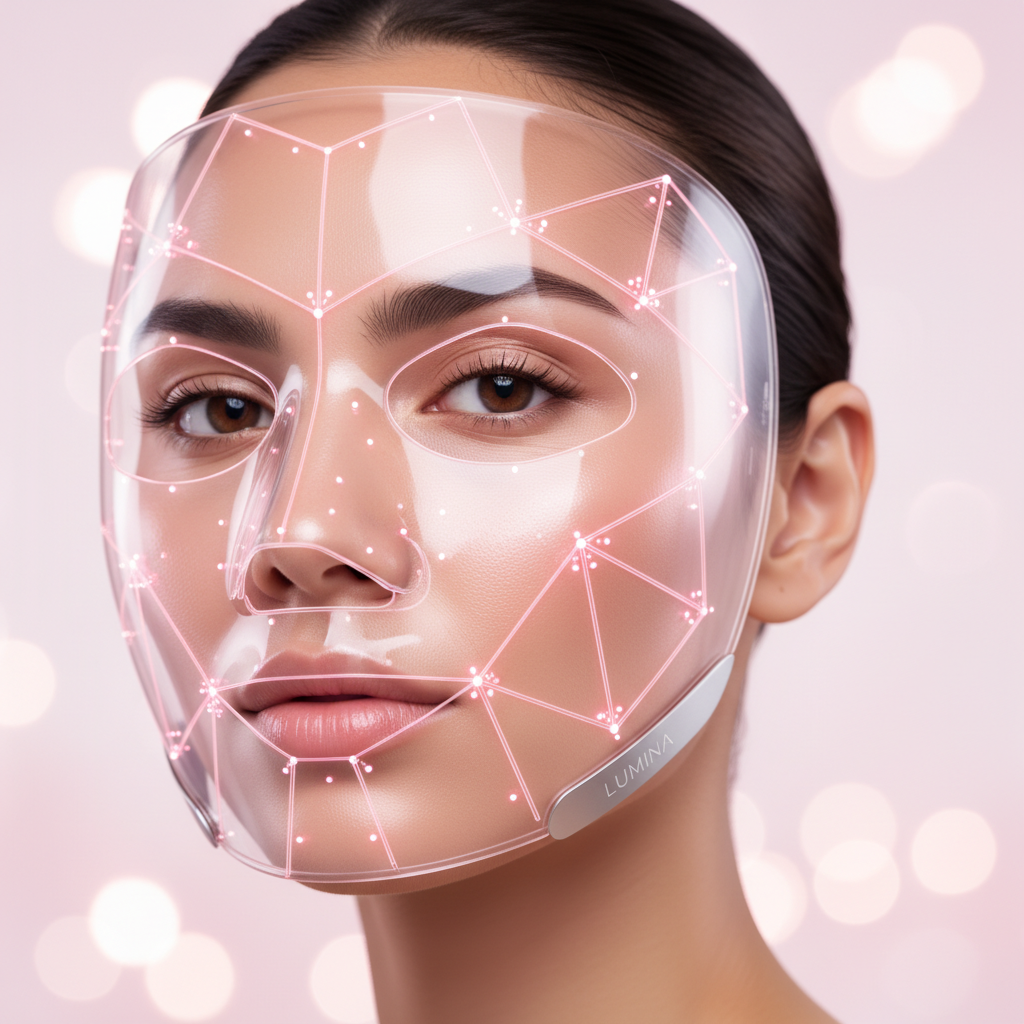
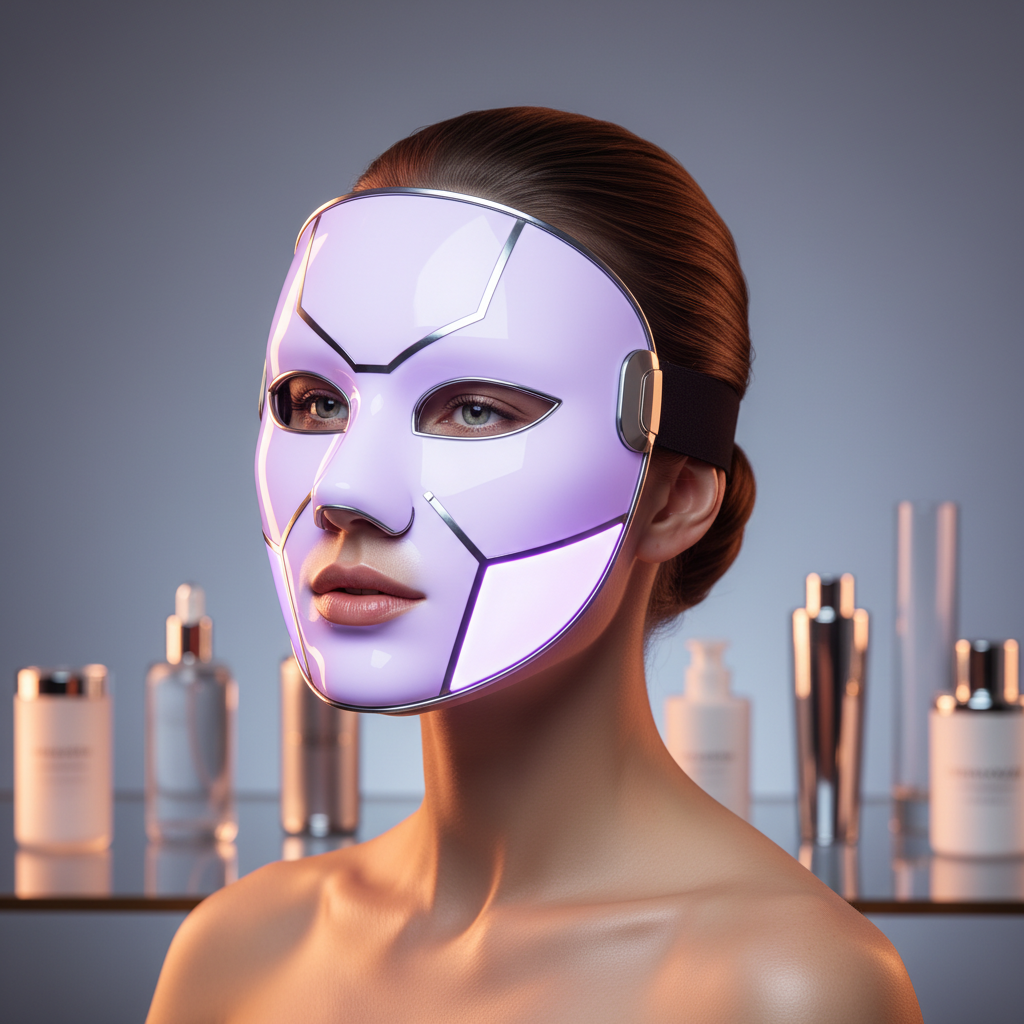
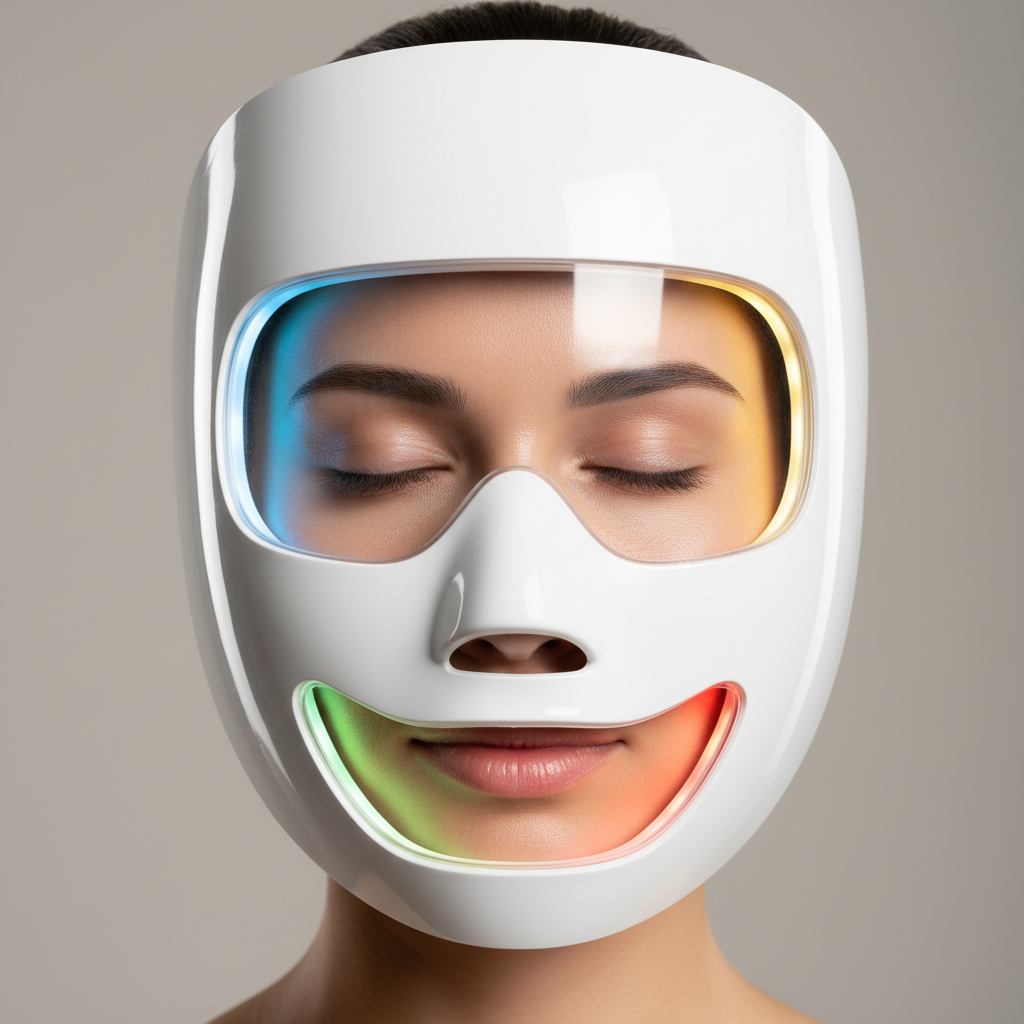
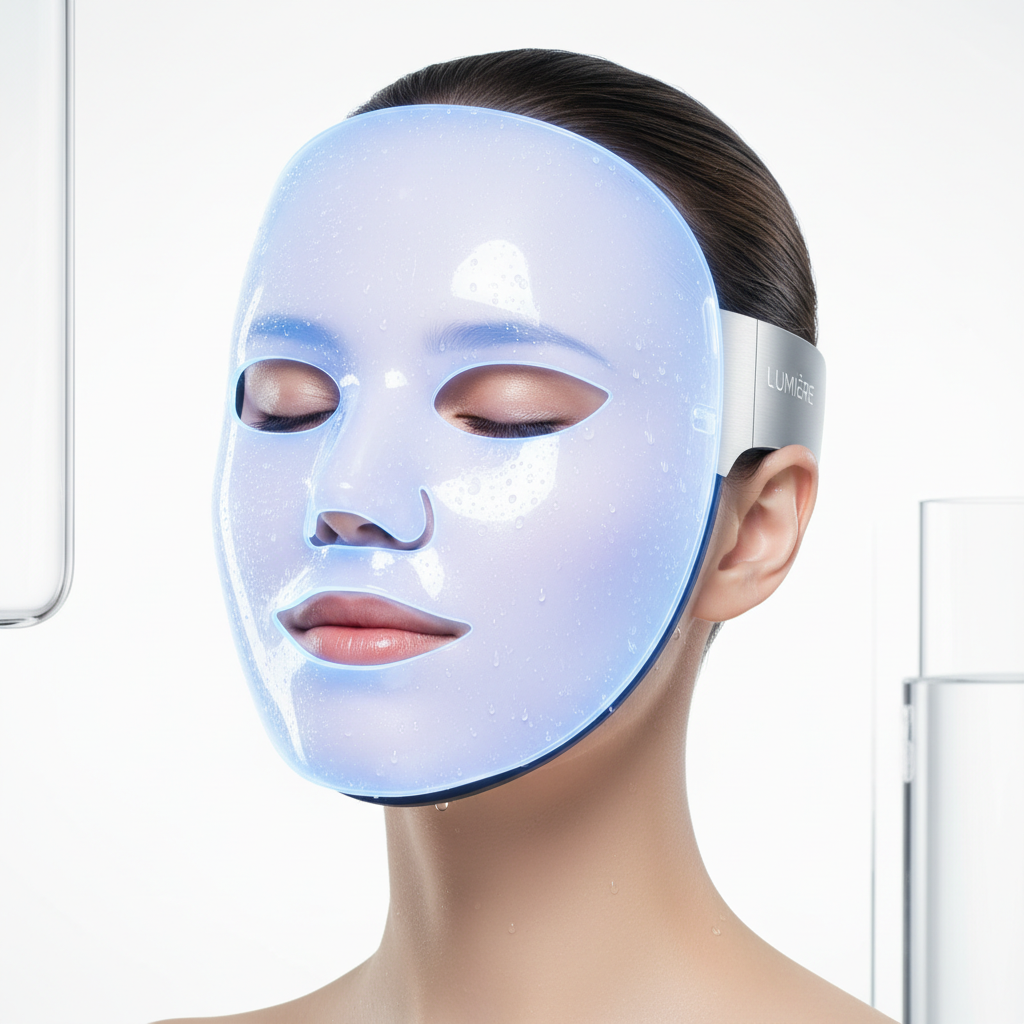
Device selection: Look for devices that provide both 415nm (±10nm) blue light and 630nm (±10nm) red light simultaneously. Flexible mask-format devices provide full-face coverage; wands are better for targeted spot treatment. Devices cleared by the FDA for OTC acne treatment (OTC 510(k) or De Novo clearance) have demonstrated a defined safety profile — look for these claims in product documentation.
Compatibility: Light therapy for acne is compatible with topical benzoyl peroxide, retinoids, niacinamide, and azelaic acid. Do not use immediately after applying photosensitizing acids (AHAs, BHAs) — allow 30–60 minutes or use light therapy first, then actives.
Author
Glowstice Editorial
The Glowstice editorial team consists of skincare researchers, cosmetic chemists, and science writers dedicated to translating peer-reviewed dermatology into practical guidance for curious consumers.