Affiliate disclosure: This article contains Amazon affiliate links. As an Amazon Associate, Glowstice earns from qualifying purchases — at no extra cost to you. Our editorial recommendations are independent of these partnerships. Learn more.
Few skincare experiences are as immediately satisfying as removing a transparent, completely absorbed hydrogel mask to reveal plumped, lit-from-within skin. The TikTok-driven boom in overnight hydrogel masking has created one of the fastest-growing skincare sub-categories of 2024–2025, with heavy bio-collagen hydrogels capable of generating thousands of five-star reviews based on a single week of use. Understanding the chemistry behind this instant visual payoff — and how to separate genuine actives from marketing — is essential for anyone spending $20–$60 per multi-pack.
Hydrogel vs Sheet Mask: A Fundamental Technology Difference
Traditional sheet masks (cotton, microfibre, or cellulose) hold a liquid serum in contact with skin via occlusion — they work primarily by preventing transepidermal water loss (TEWL) during the 15–20 minutes of application, and by delivering the liquid serum into the stratum corneum via concentration-gradient diffusion.
Hydrogels are a categorically different material. They are three-dimensional polymer networks — typically crosslinked polyacrylamide, carbomer, or carrageenan — that hold water at 90–98% of their total weight in a semi-solid colloid. The water is not free liquid; it is bound within the polymer matrix, releasing gradually under the mild heat and osmotic pressure of skin contact over 30–90 minutes. This controlled, sustained release means the skin is exposed to active ingredients for far longer than a standard sheet mask, and the occlusive effect is more complete.
Bio-collagen variants add hydrolysed collagen peptides or fish collagen to the hydrogel matrix, along with higher-molecular-weight hyaluronic acid. The result is a gelatinous material that visibly melts and thins as it absorbs — the opacity-to-transparency transition users find so satisfying — before leaving a tacky, serum-like residue that can be gently massaged in.
The Collagen Delivery Reality: What Actually Penetrates
Intact collagen protein (MW ~300,000 Da) cannot penetrate the stratum corneum. The skin barrier is designed to exclude large molecules; only compounds under approximately 500 Da can passively diffuse through intact skin. This is a biological fact that cannot be formulated around.
What hydrogel mask manufacturers legitimately deliver are: (1) **hydrolysed collagen peptides** — typically 1,000–5,000 Da fragments, small enough to partially penetrate into the upper epidermis; (2) **collagen-derived amino acids** (glycine, proline, hydroxyproline) that can fully penetrate and serve as building blocks for dermal fibroblast activity; and (3) **surface-level film-forming agents** from the collagen protein that provide temporary plumping, smoothing, and the tactile improvement users feel immediately post-mask.
The immediate "glass skin" effect is primarily: skin-surface film formation, reversal of mild transepidermal water loss, and optical smoothing from the hydrated stratum corneum. It is real and visible. It lasts 12–24 hours. It is not a structural collagen remodelling event — that requires weeks of consistent peptide exposure or microneedling. Setting accurate expectations allows you to appreciate the genuine, significant short-term benefit without confusing it with long-term structural change.
Related Reading
Editor's Product Picks
Affiliate links — we earn a small commission at no extra cost to you.
Neutrogena Hydro Boost Hydrogel Mask
$18–$26
View on Amazon →Dr. Jart+ Dermask Water Jet Vital Hydra Solution
$36–$55
View on Amazon →Laneige Water Sleeping Mask
$32–$45
View on Amazon →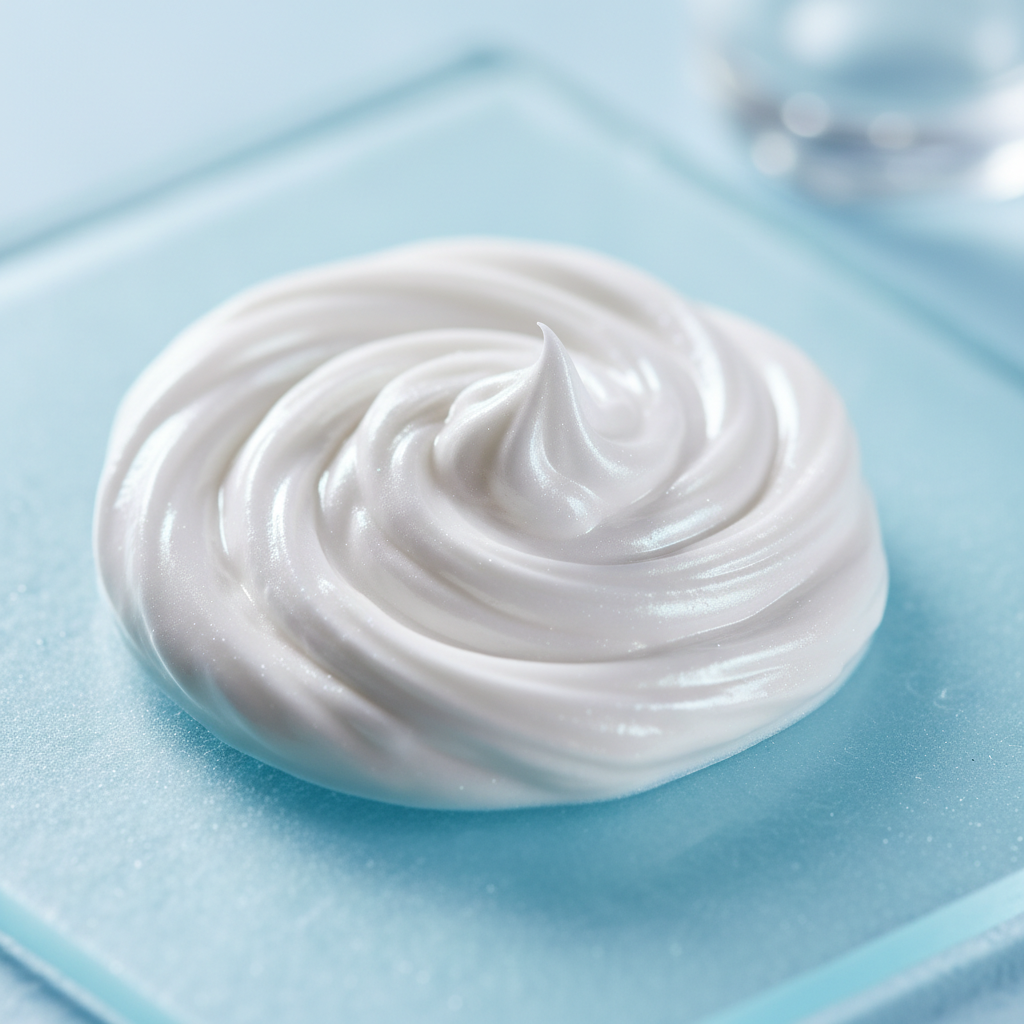
Farmacy Honey Halo Ultra-Hydrating Ceramide Mask
$38–$52
View on Amazon →Hyaluronic Acid Molecular Weight: Why It Matters in Masks
The best hydrogel masks include hyaluronic acid at multiple molecular weights — a formulation approach that maximises both surface and sub-surface effects.
**High-MW HA (>1,000 kDa)**: Cannot penetrate the skin barrier. Forms a viscoelastic film on the surface that reflects light, smooths microtexture, and reduces TEWL. This is responsible for the immediate visual improvement and the "bouncy" feel.
**Low-MW HA (50–300 kDa)**: Can penetrate into the stratum corneum and upper viable epidermis. Provides more sustained hydration by binding water within the tissue rather than just on the surface. Multiple studies confirm that topical low-MW HA measurably increases skin moisture content at 12 and 24 hours post-application.
**Oligo-HA (<10 kDa)**: Very small fragments that penetrate further, stimulate hyaluronan synthase expression in keratinocytes (increasing the skin's own HA production), and have anti-inflammatory properties via CD44 receptor antagonism.
Hydrogel masks hold all three sizes within the matrix and release them sequentially as the gel dissolves — a delivery profile that is genuinely superior to applying a HA serum from a dropper.
Bio-Cellulose vs Standard Hydrogel: The Korean Premium Tier
Bio-cellulose is a nanofibrous material produced by bacterial fermentation (typically Acetobacter xylinum). Its fibres are 100–1,000x finer than plant cellulose, producing a mesh that conforms intimately to the three-dimensional topography of the face — including around the nose, under the eyes, and along the jawline where standard sheet masks gap and slide.
The intimate conformity means the active ingredients are in direct, occlusive contact with the skin surface during the entire application period. Water evaporation is essentially eliminated. Ingredient penetration is higher because there is no air gap between the material and skin. Korean bio-cellulose masks (Dr. Jart+, Neogen, SNP) tend to be significantly more expensive than standard hydrogel multi-packs, but their clinical evidence for hydration improvement is stronger.
For the overnight use case, a standard high-quality hydrogel mask is more practical — bio-cellulose sheets are too rigid to sleep in. Sleeping mask formats (a thin gel applied like a night cream) or the heavy-coat hydrogel patch approach are better suited to extended overnight protocols.
The Overnight Masking Protocol: How to Maximise Results
1. **Double-cleanse** — remove all makeup, SPF, and surface oils before masking. Occlusion traps whatever is on the skin surface; residual sunscreen or silicone primers reduce active penetration. 2. **Apply a hydrating toner or essence first** — skin should be slightly damp. Damp skin has higher permeability and the water in the toner helps the hydrogel adhere without air gaps. 3. **Press, don't smooth** — press the hydrogel patches or mask down firmly with flat palms, working out any air bubbles. Air between skin and mask = dead zones with no active delivery. 4. **For eye patches**: sleep on your back or side with a silk pillowcase; do not apply too close to the lash line or you risk gel migrating into the eye during sleep. 5. **In the morning**: gently press any remaining residue into skin — do not rinse. Follow with moisturiser and SPF. The residue contains the last of the actives; washing it off discards benefit. 6. **Frequency**: 2–3x per week for hydration maintenance; daily for 7–10 days if targeting visible plumping results for a specific event.
Author
Glowstice Editorial
The Glowstice editorial team consists of skincare researchers, cosmetic chemists, and science writers dedicated to translating peer-reviewed dermatology into practical guidance for curious consumers.